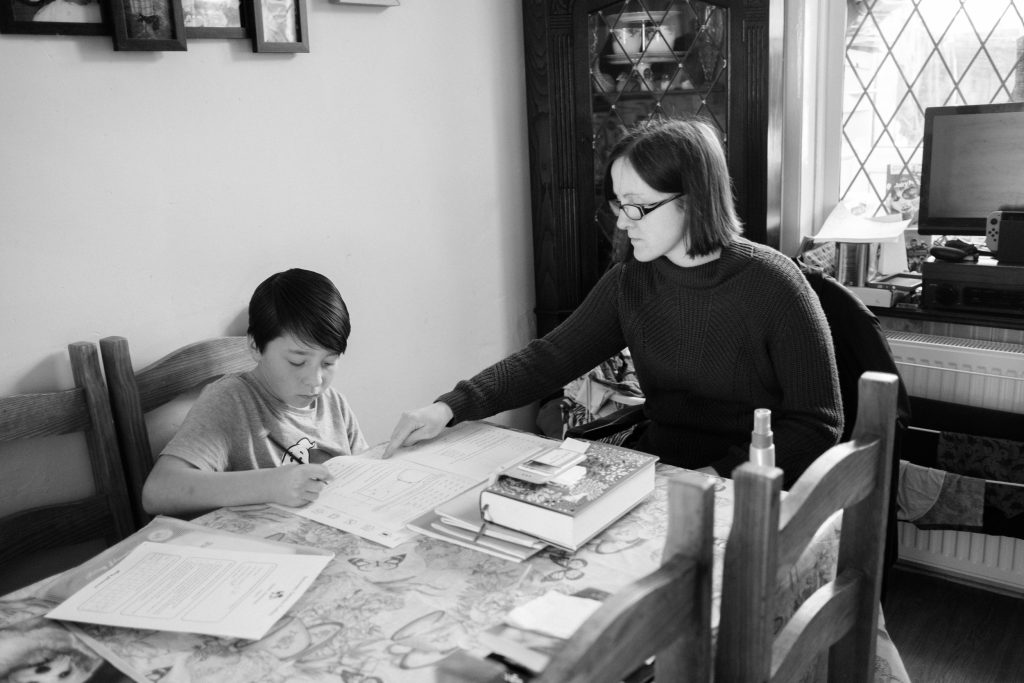
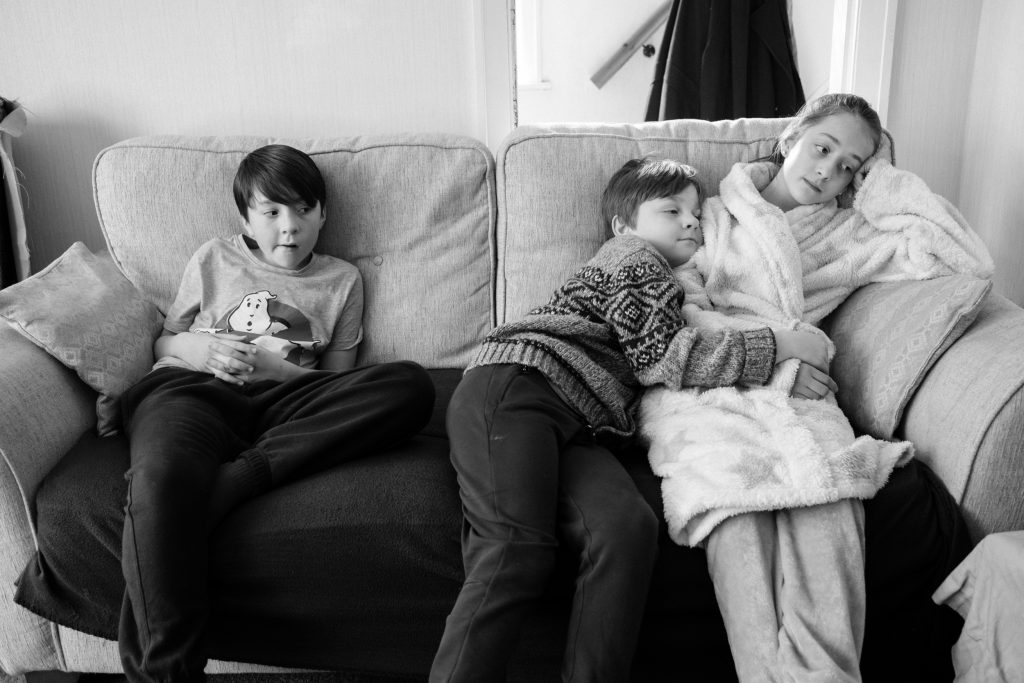
Having already been removed from work last week owing to the fact that I fall into a ‘high risk’ category, I had already had several days of ‘social distancing’ (read: quarantine) before the whole of the UK entered a state of lockdown on Monday, 23rd March 2020.
(Working from home – recording and editing lectures for my students)
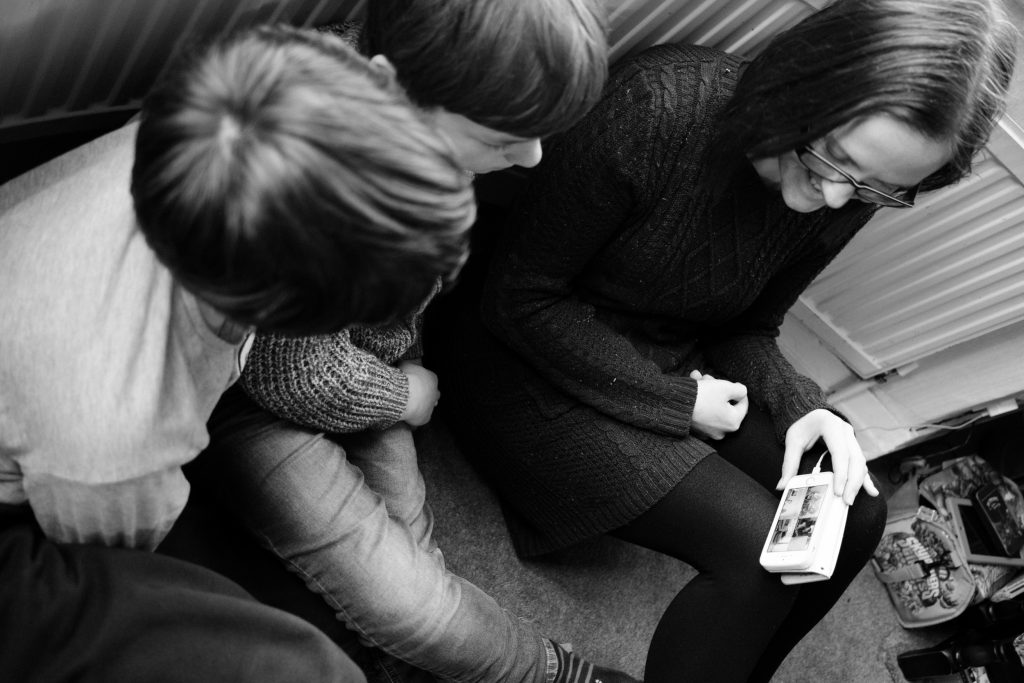
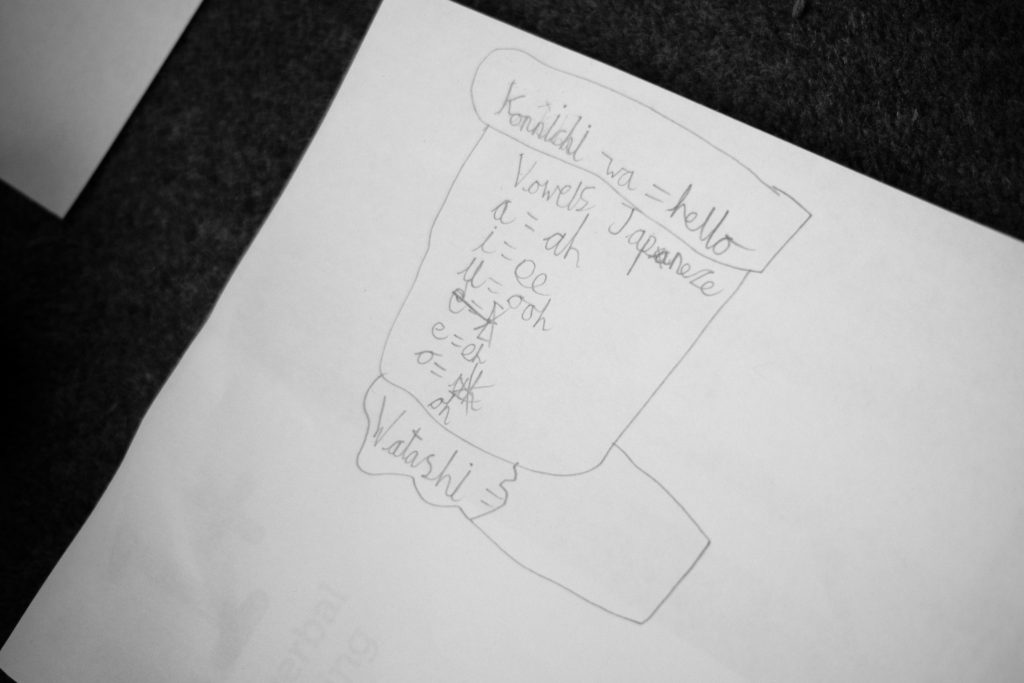
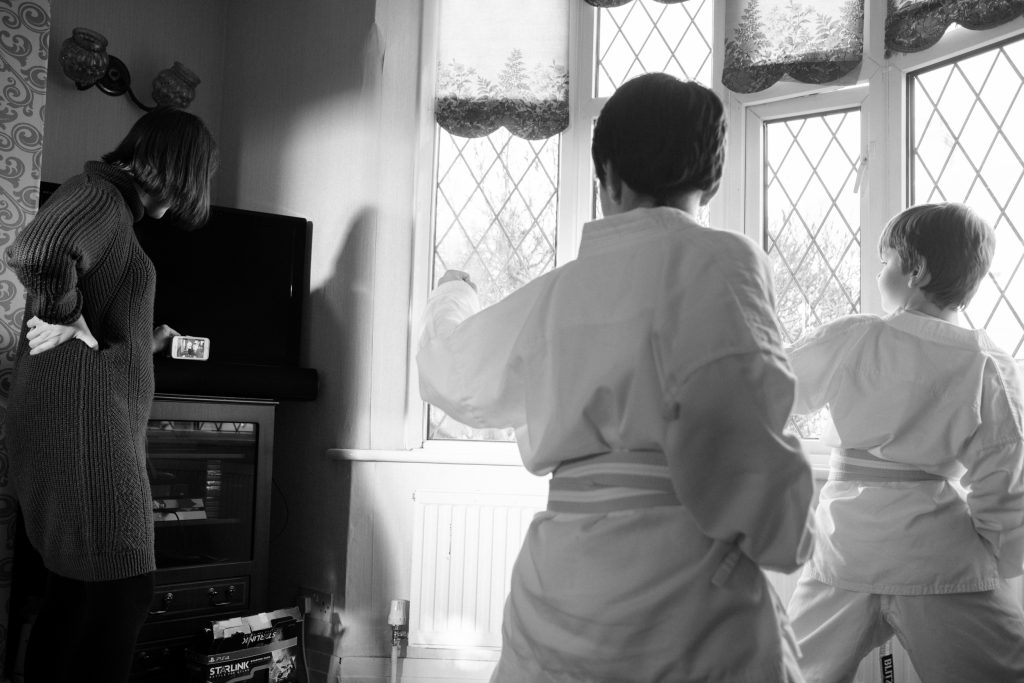
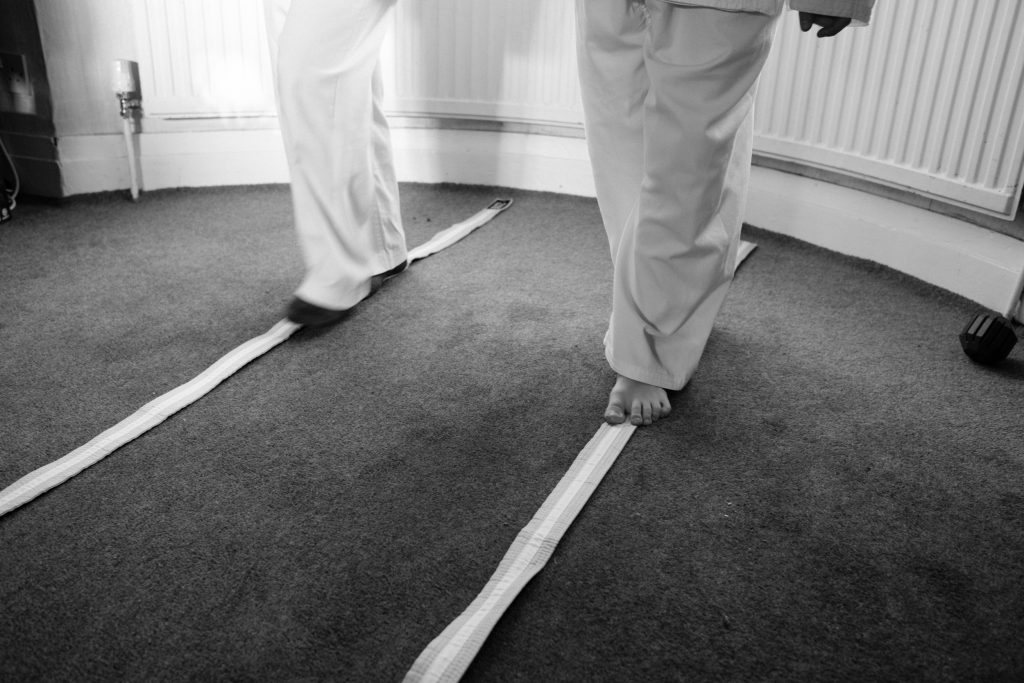
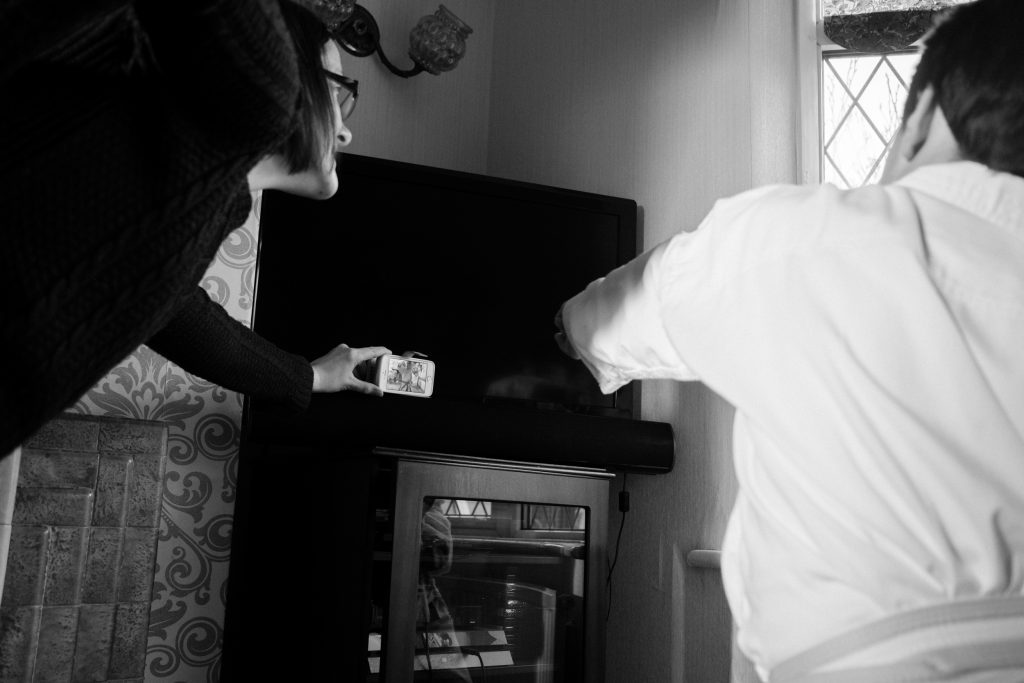
Schools closed on the Friday previous, which meant that children are being homeschooled. My own children are studying their after-school martial arts classes (which are being organised wonderfully by Samurai Hearts in Grimsby) at a distance, with their sensei using online platforms to live stream their lessons every evening into the homes of the children who attend the dojo and after-school clubs. The Samurai Hearts team are also providing the children with Japanese lessons, again streamed online, twice a week.
The near-constant hand-washing, which the government has advised all citizens to practice in order to prevent transmission of the SARS-CoV-2 virus, is taking a toll on skin. Both of my sons are lathering their hands in moisturiser and wearing cotton gloves (not unlike the ones I use to handle my negatives) at various points of the day.
(Gloves worn over moisturised hands by my eldest son, to counteract the effects of near-constant handwashing on his skin)
On Wednesday, 26th of March, Prince Charles tested positive for the Coronavirus. The BBC news report showed Charlie shaking hands with the general public at a recent event (during which the future king may very well have been incubating the virus) like a 21st Century variant of Typhoid Mary.
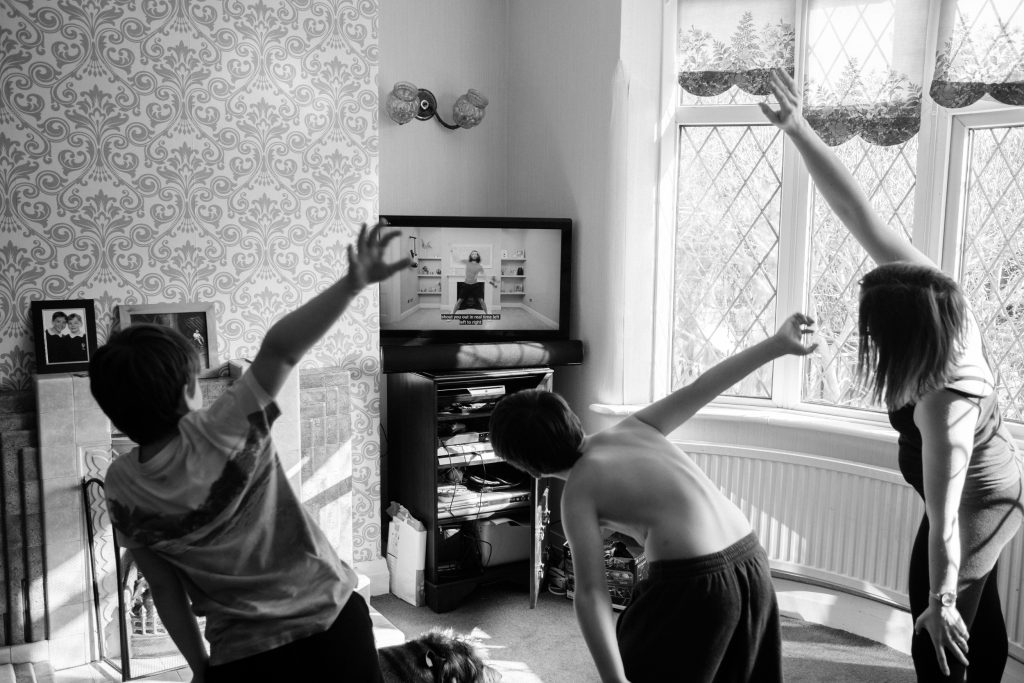
My family have also been taking part in ‘Body Coach’ Joe Wicks’ attempt to situate himself as ‘the nation’s P.E. teacher’ via his daily broadcasts on his Youtube channel.
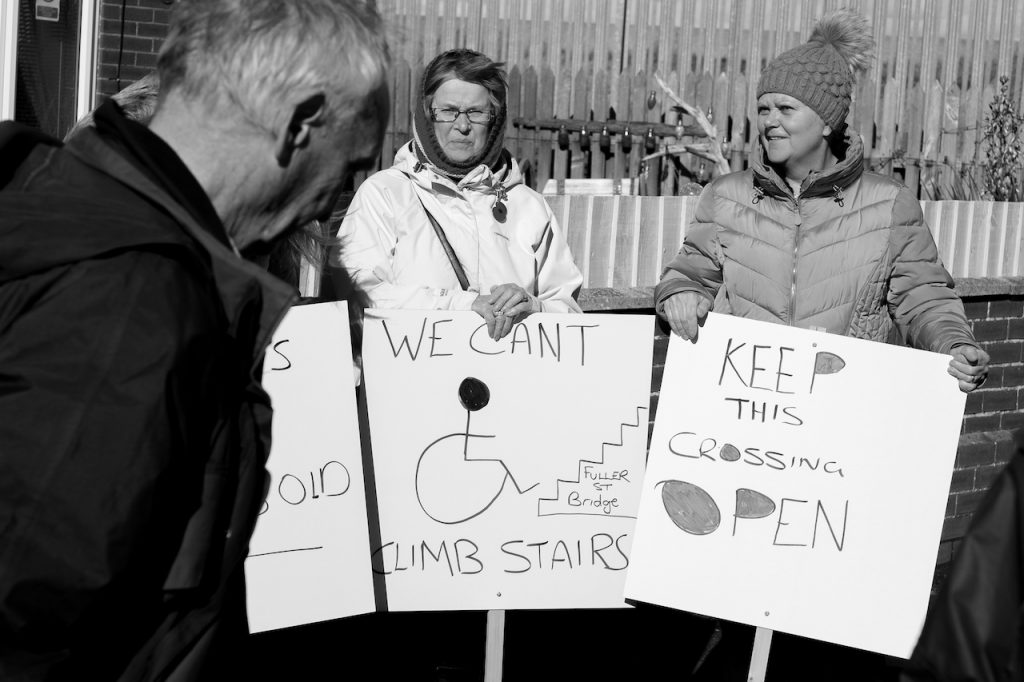
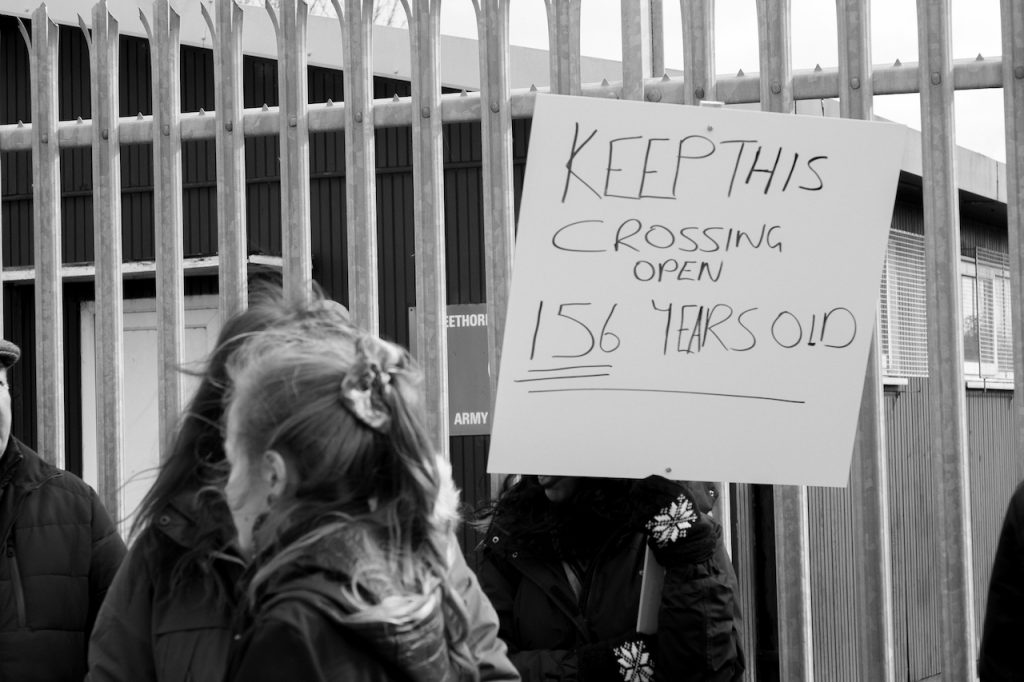
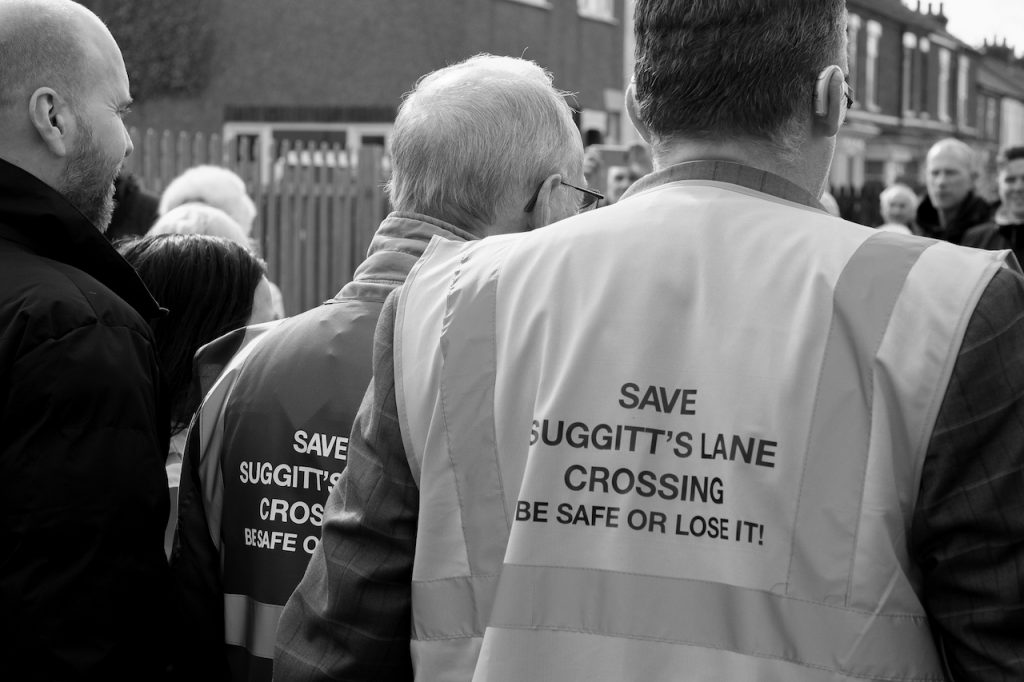
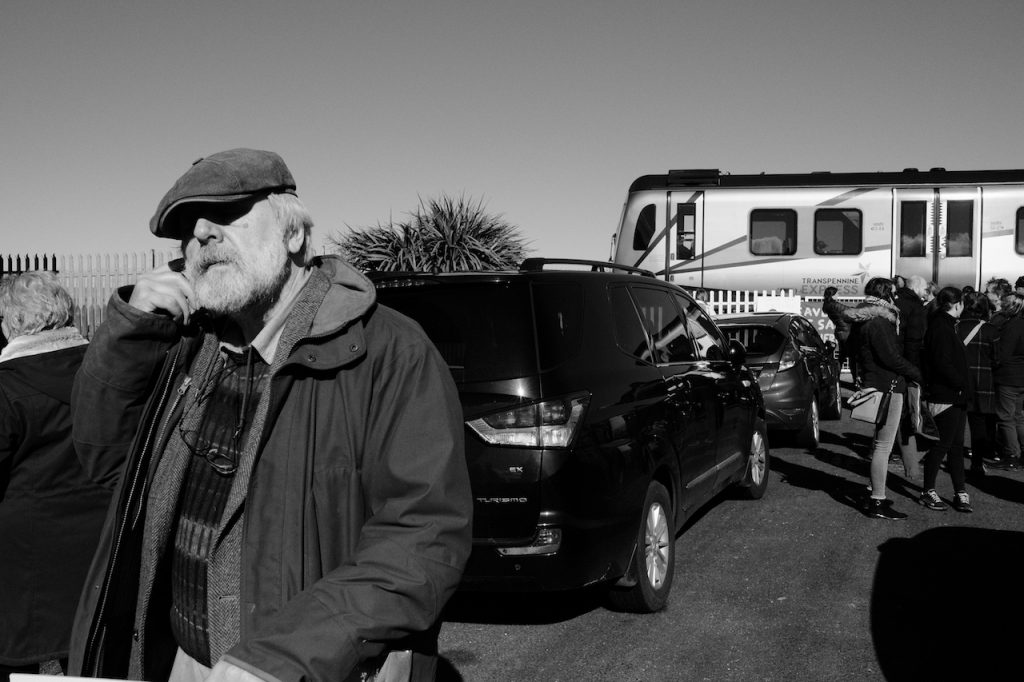
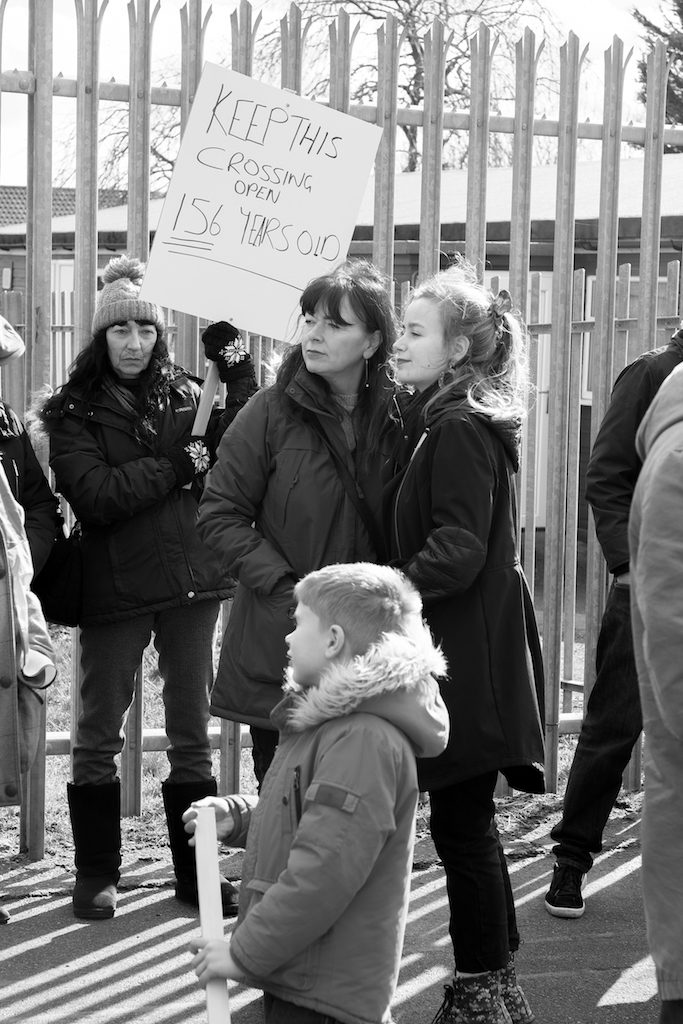
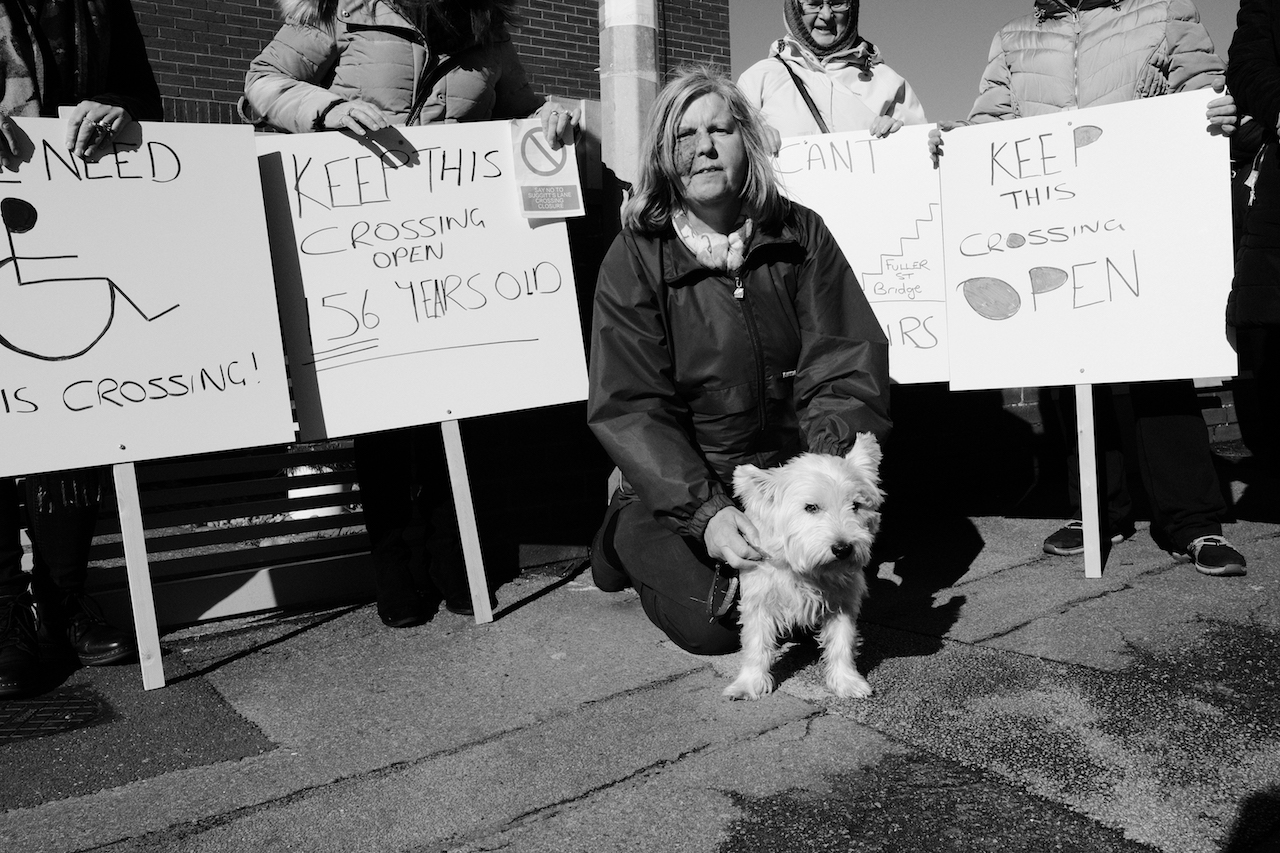
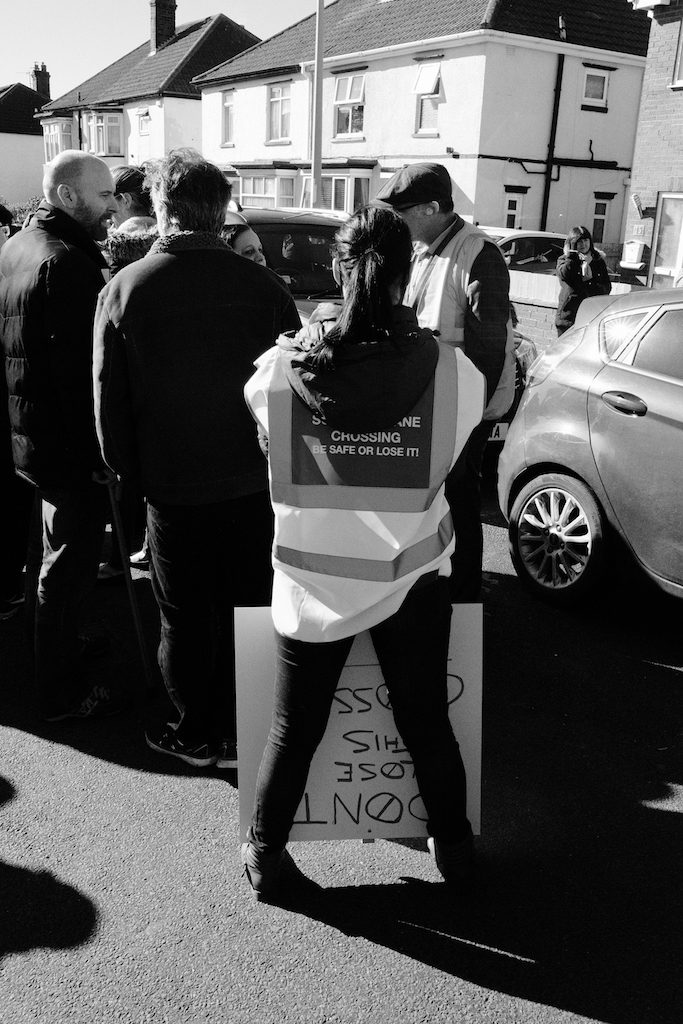
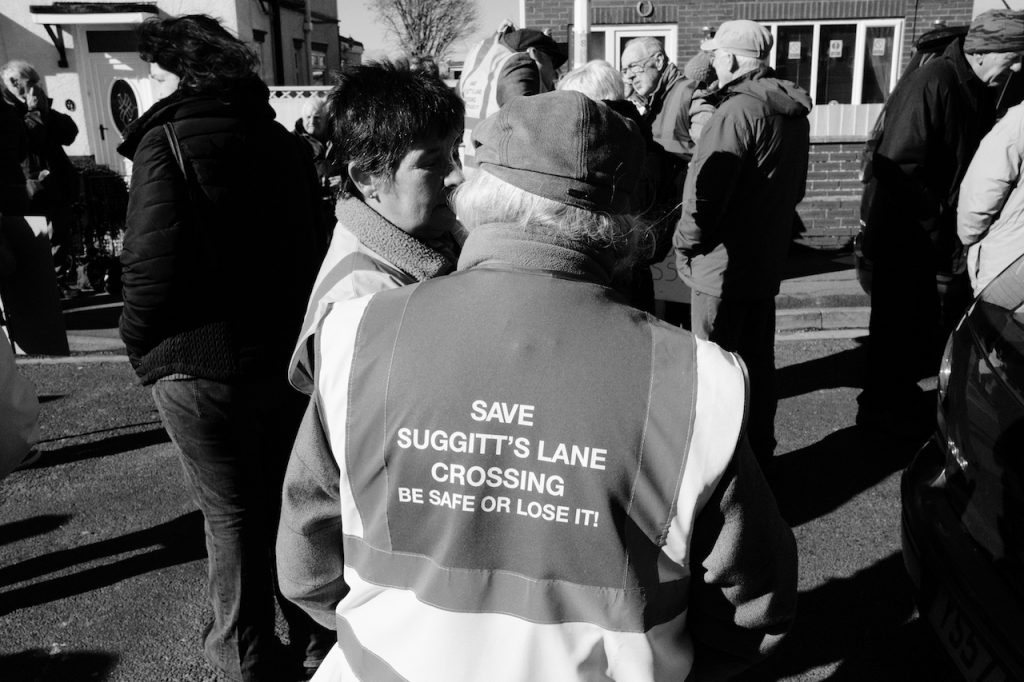
The railway crossing at the top end of Suggitt’s Lane in Cleethorpes is a lifeline for the community, offering direct access to the North Beach of Cleethorpes and, from there, the promenade. My grandmother, who lived on Suggitt’s Lane for many years, used it daily when walking her dog; my elderly father uses it daily also, as do many other local residents and, in the summer months, visitors to the coastal town.
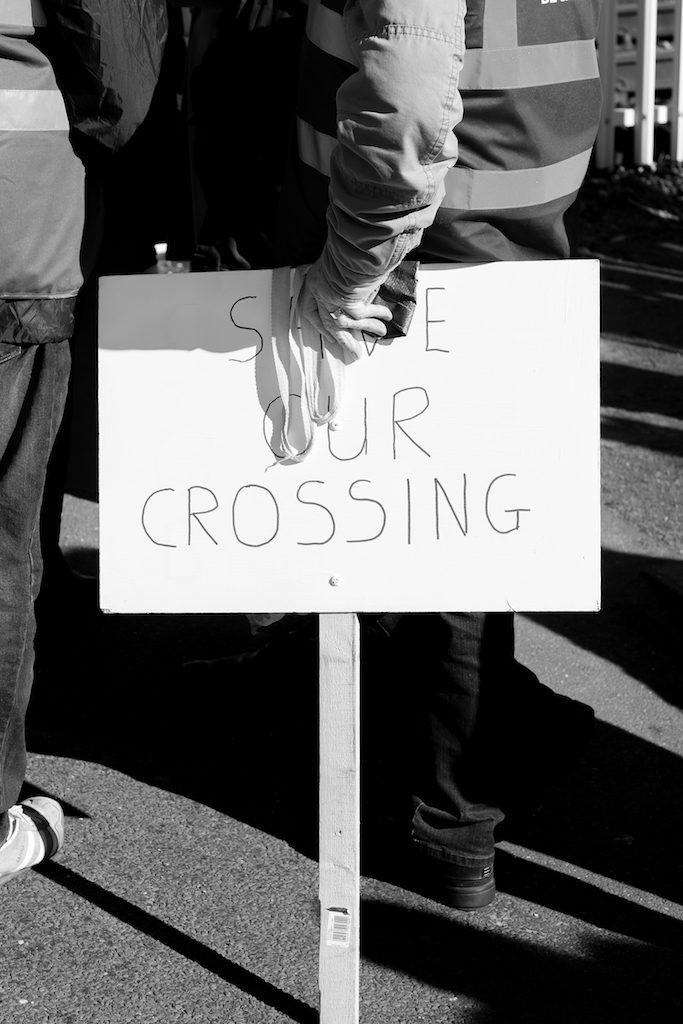
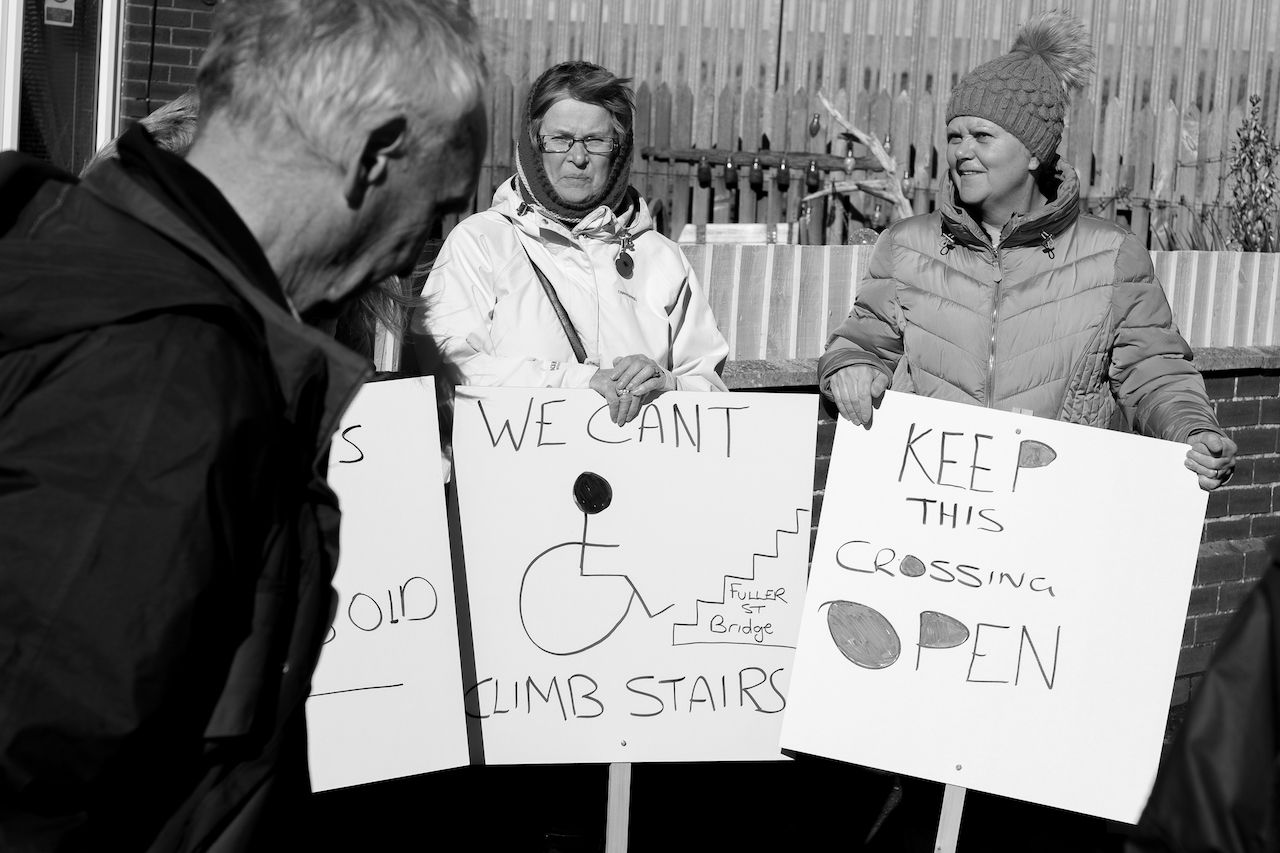
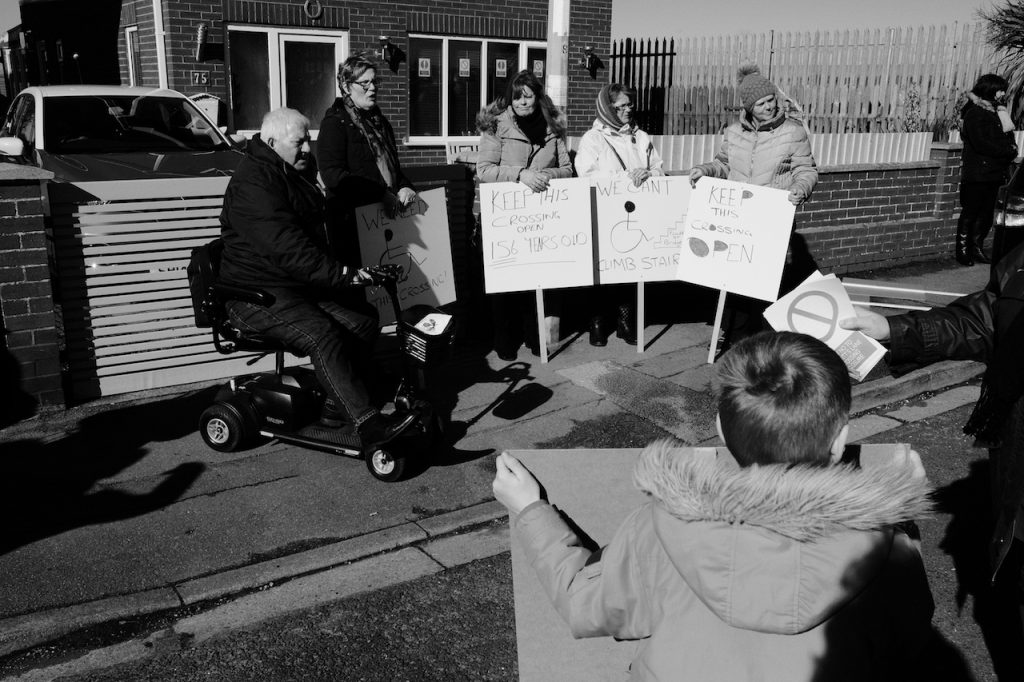
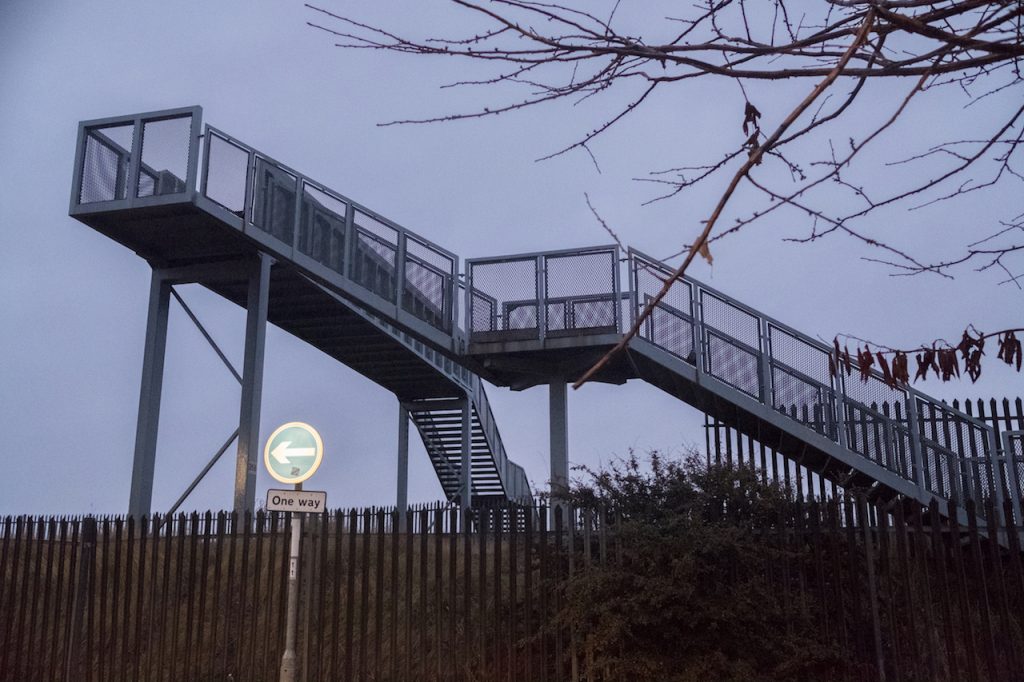
Network Rail are planning to close this crossing, which will mean that residents will either have to climb over the steep footbridge at Fuller Street – which is impossible for many elderly, disabled or infirm persons – or make a trip of c.1.5 miles to the North Promenade, and then walk back along the North Promenade to the North Beach (another trip of 0.5-1 miles). This, again, will be difficult or nigh on impossible for many of the residents who use the railway crossing for its convenience. The planned closure of the railway crossing also raises issues for access for the emergency services, who if the crossing is closed will presumably have to access the North Beach via the promenade, which is often heavily trafficked in the summer months (apart from being a much less direct route to the North Beach itself).
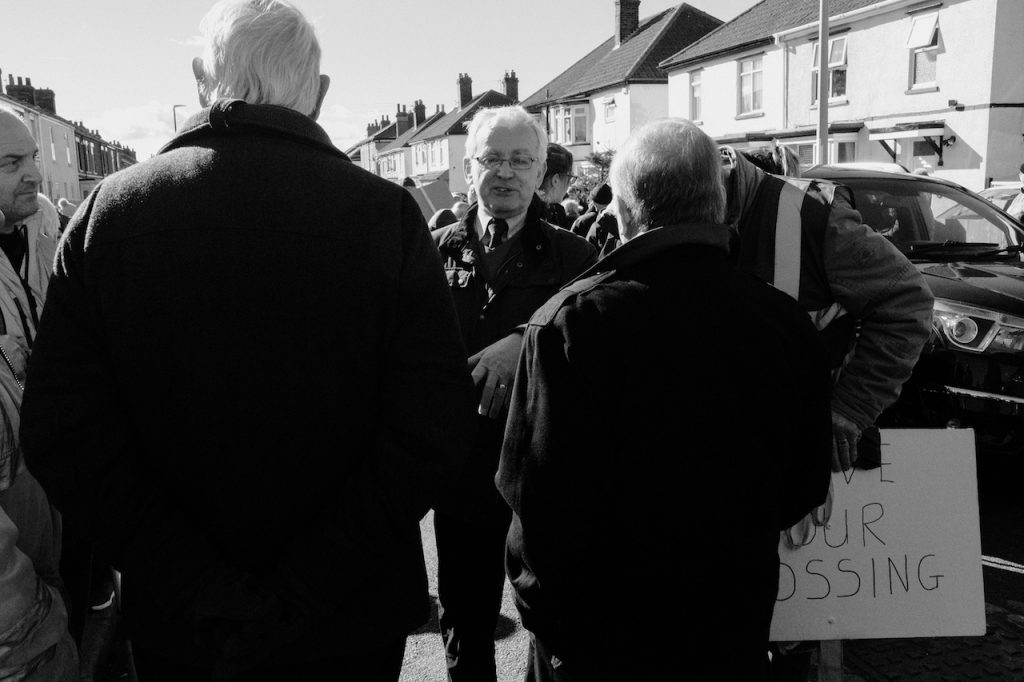
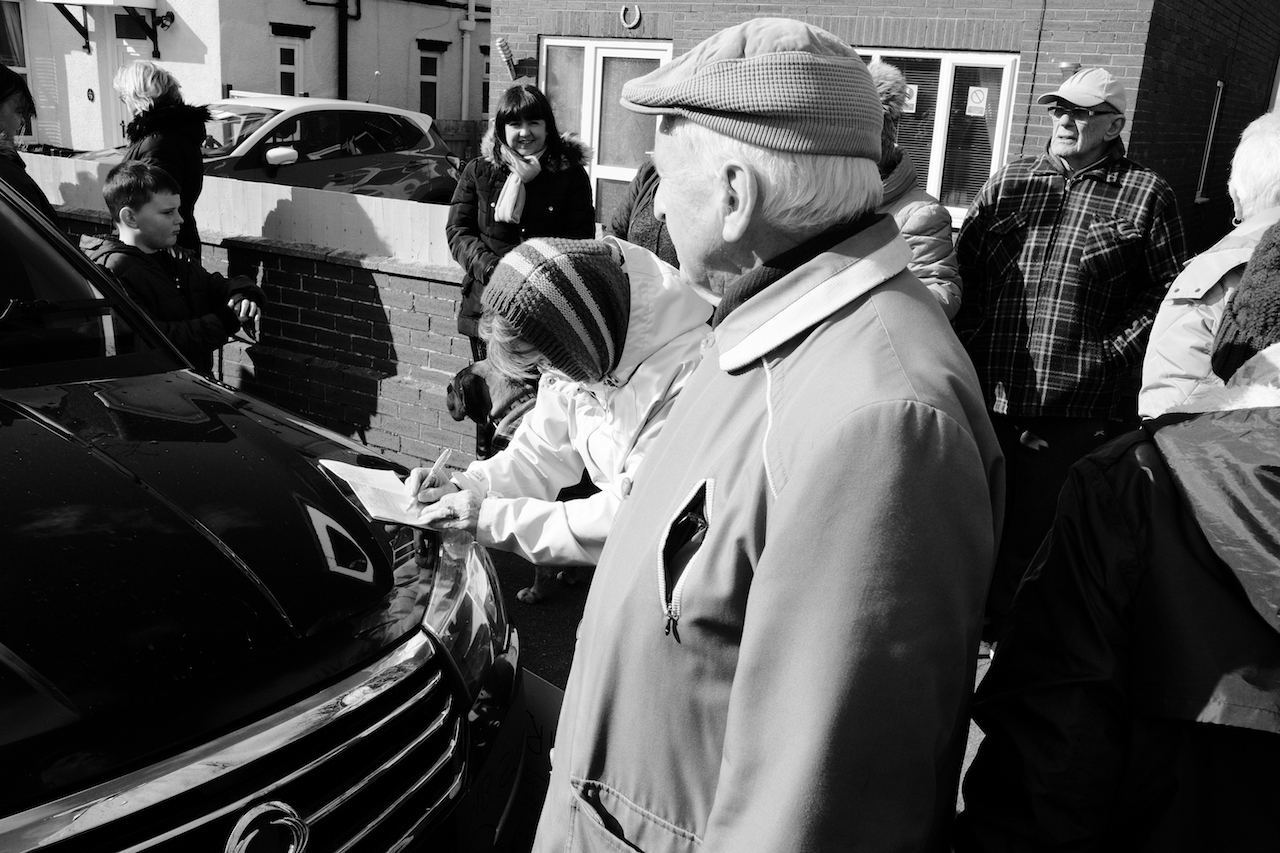
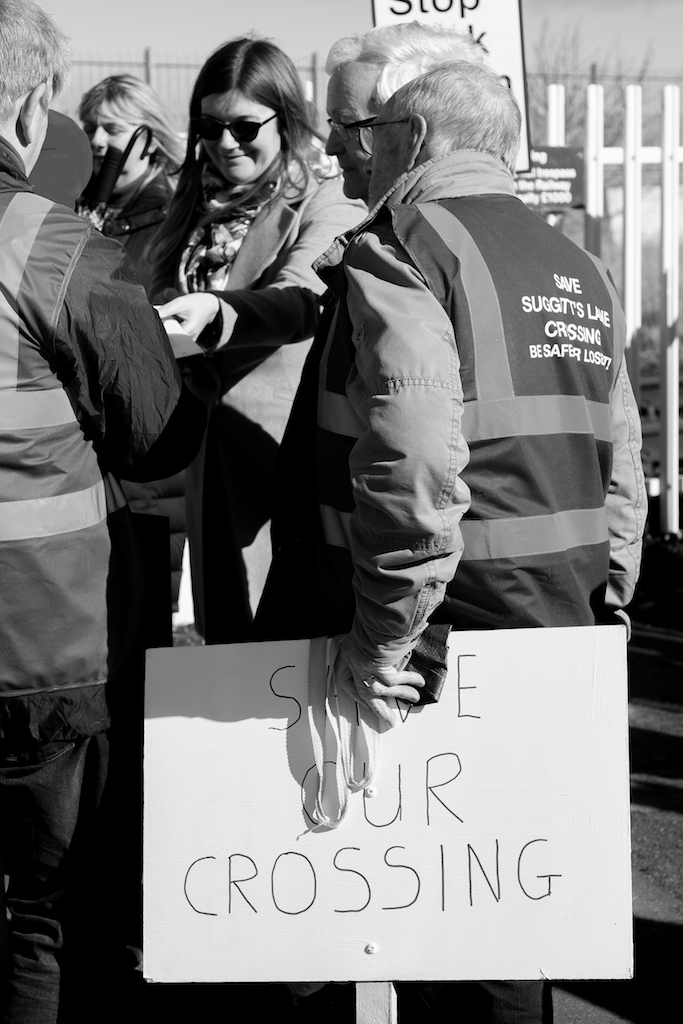
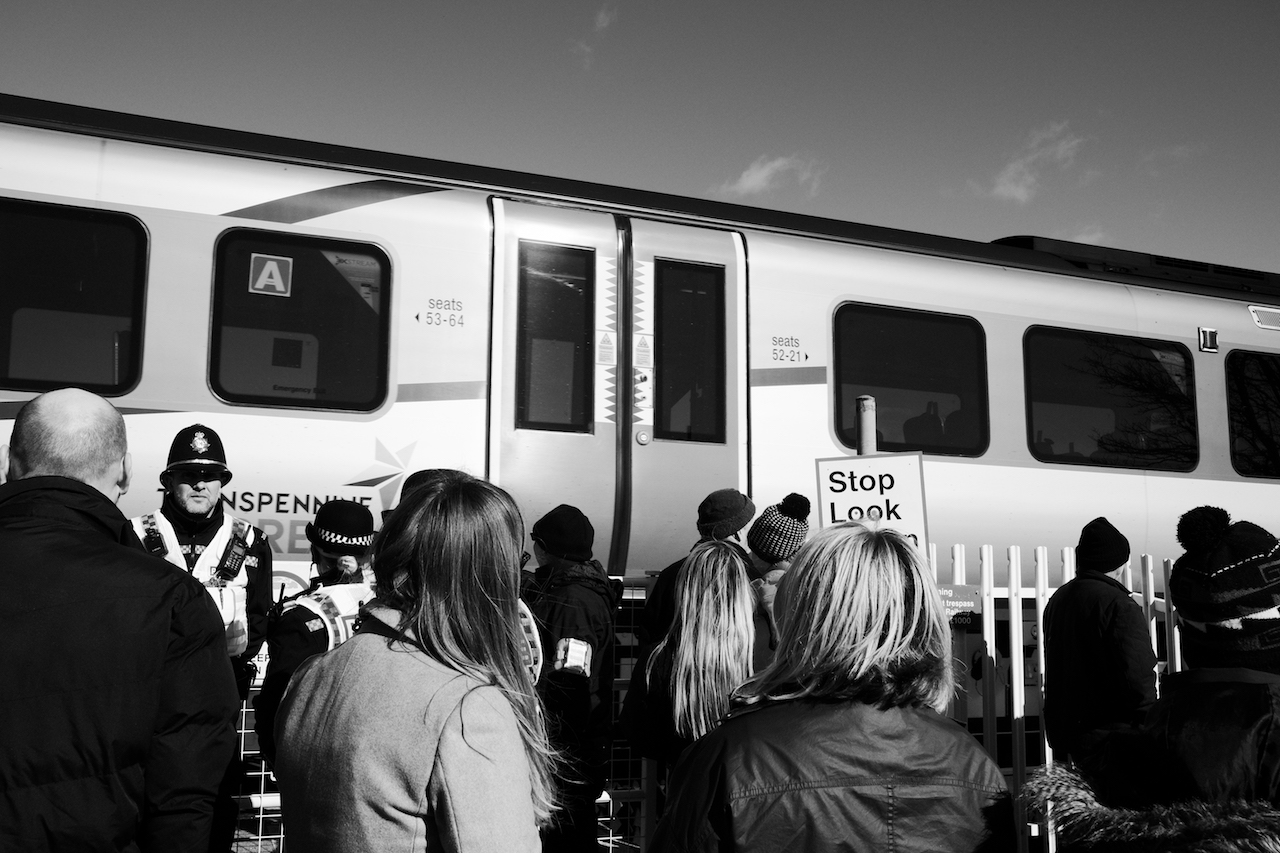
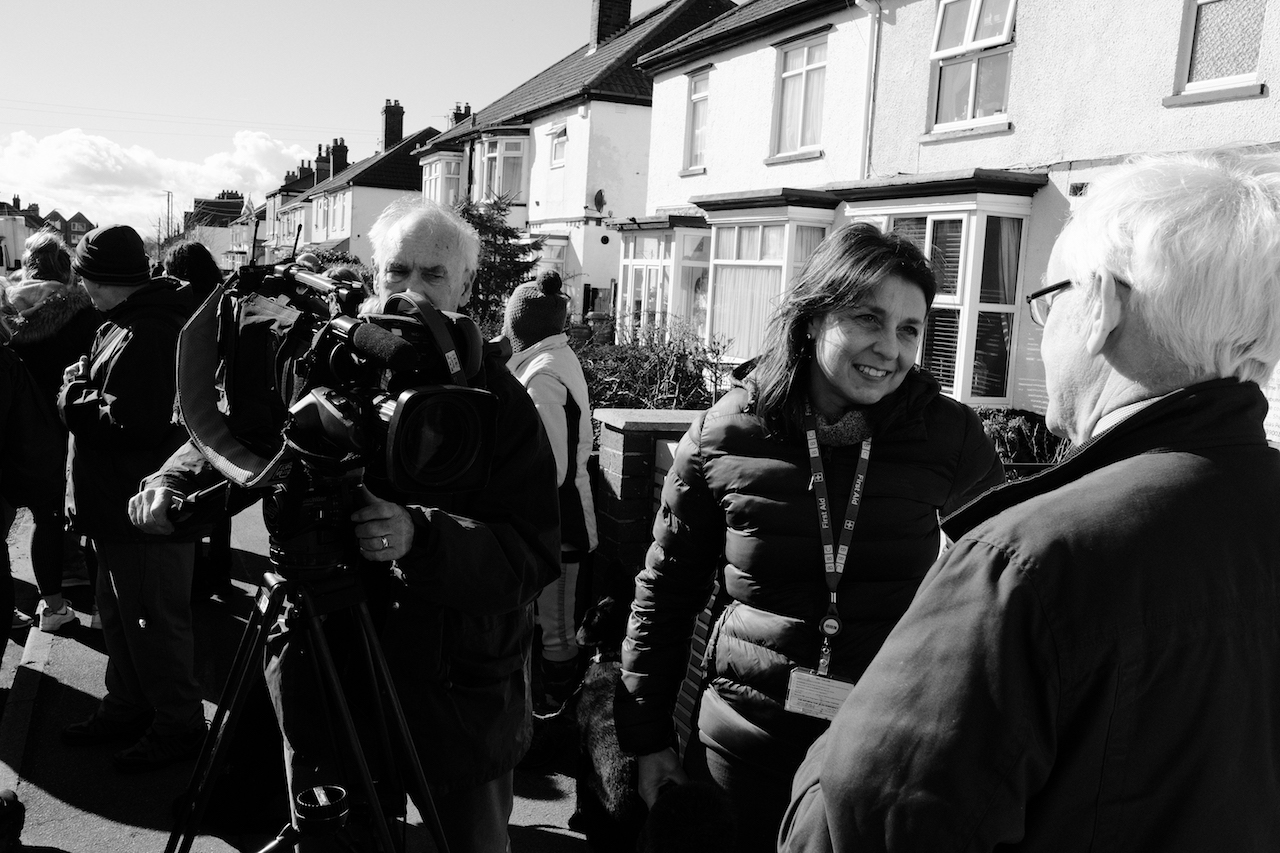
On 9 March, 2019, Friends of the North Beach organised a peaceful protest against the planned closure of the railway crossing on Suggitt’s Lane. There was a strong turnout, including Cleethorpes MP Martin Vickers and several local councillors/members of local government (including Matt Patrick and Debbie Rodwell).
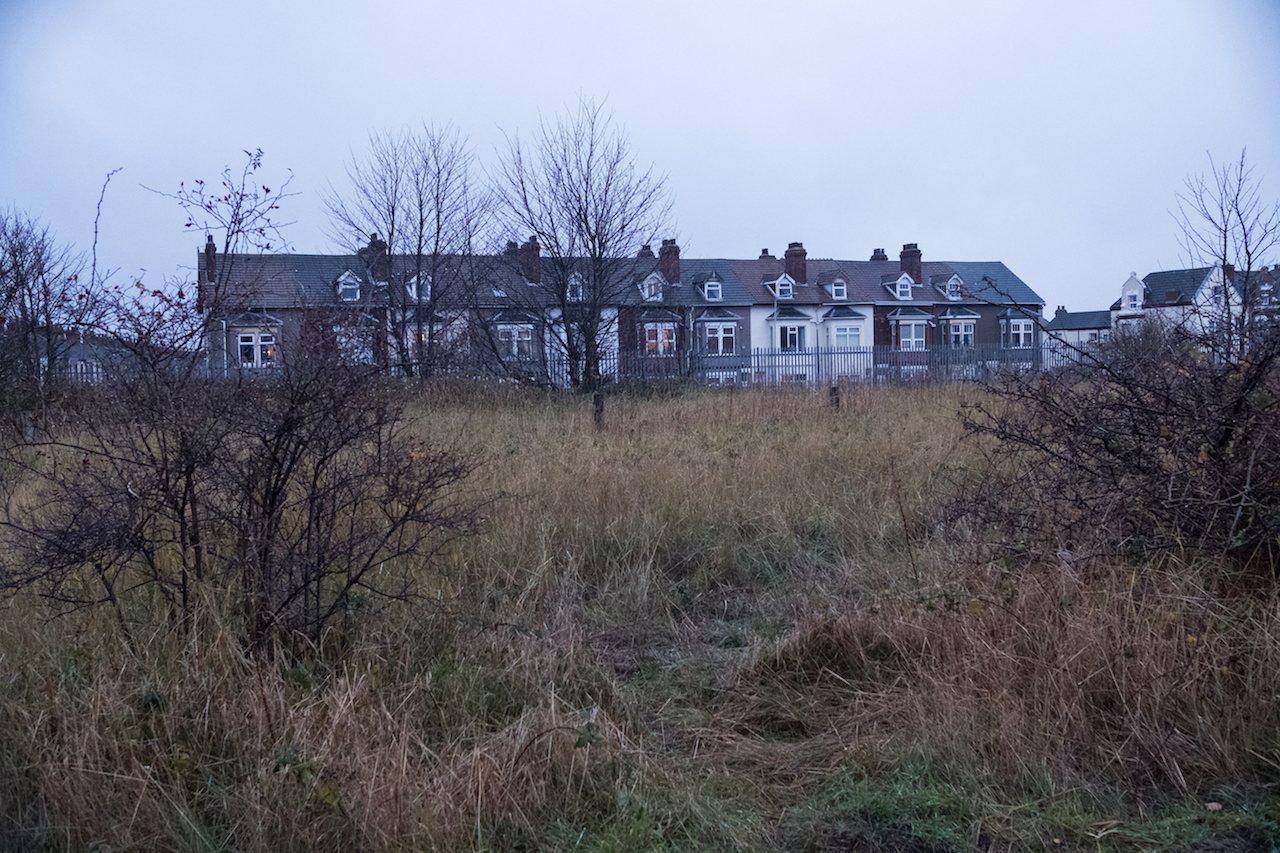
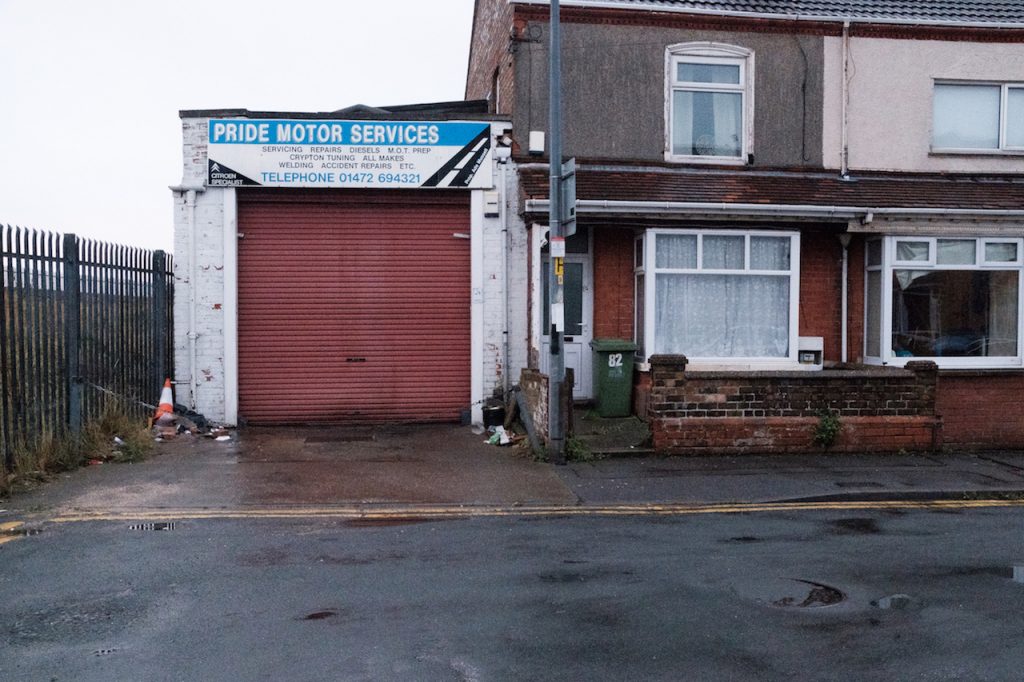
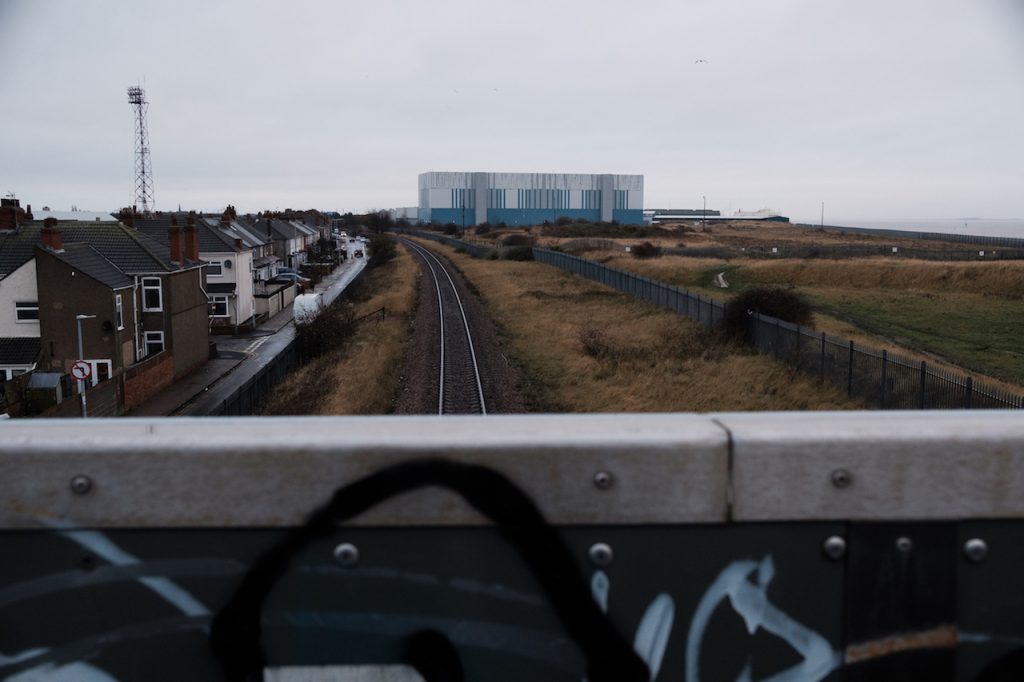
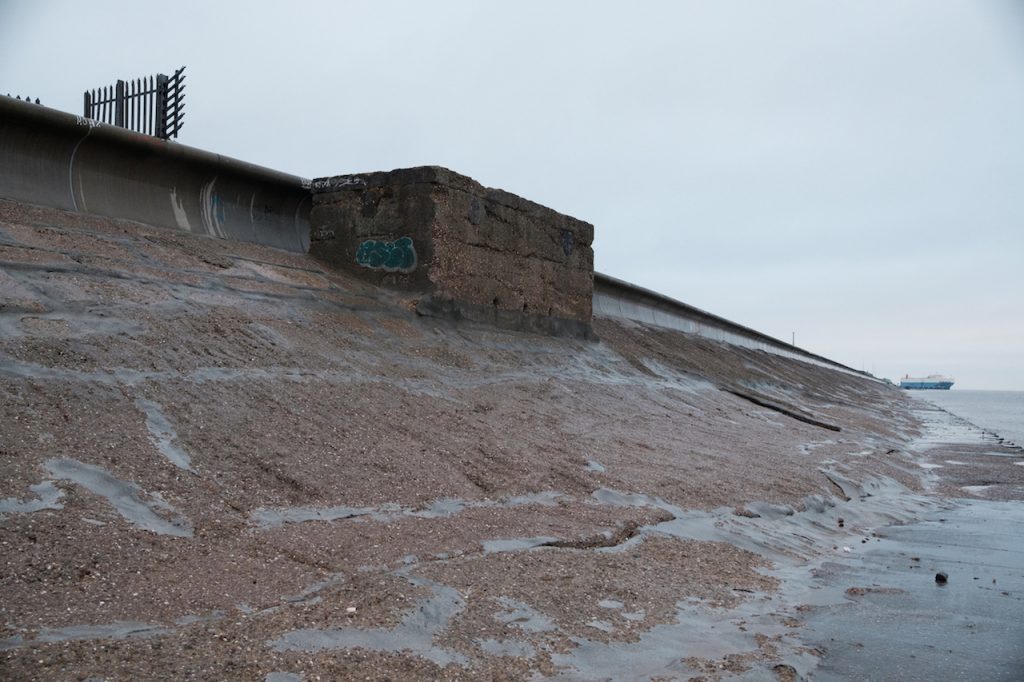
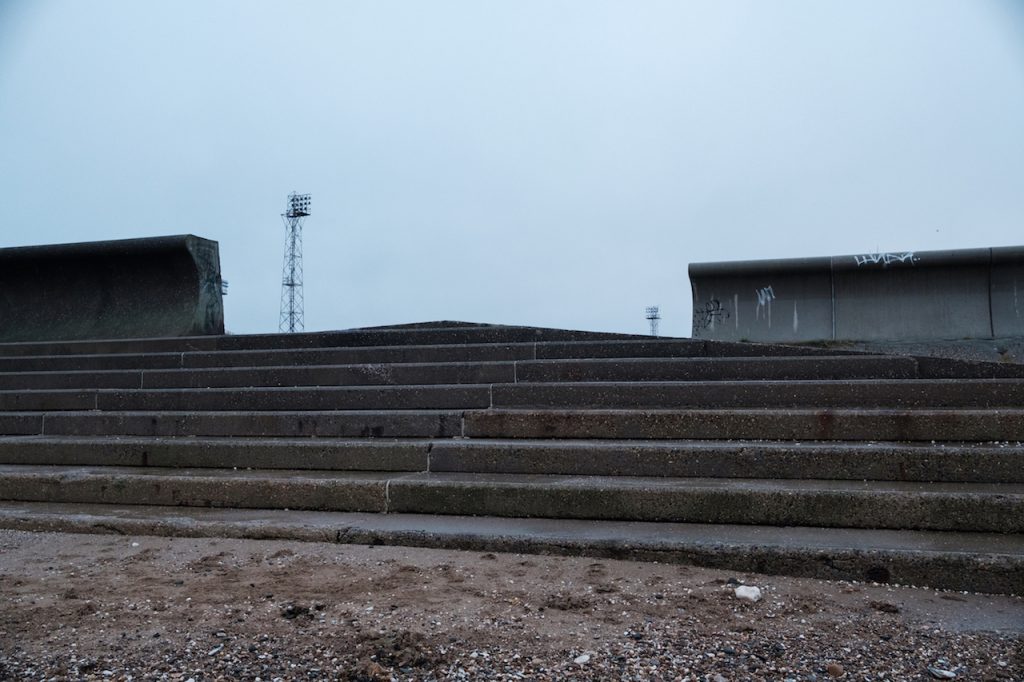
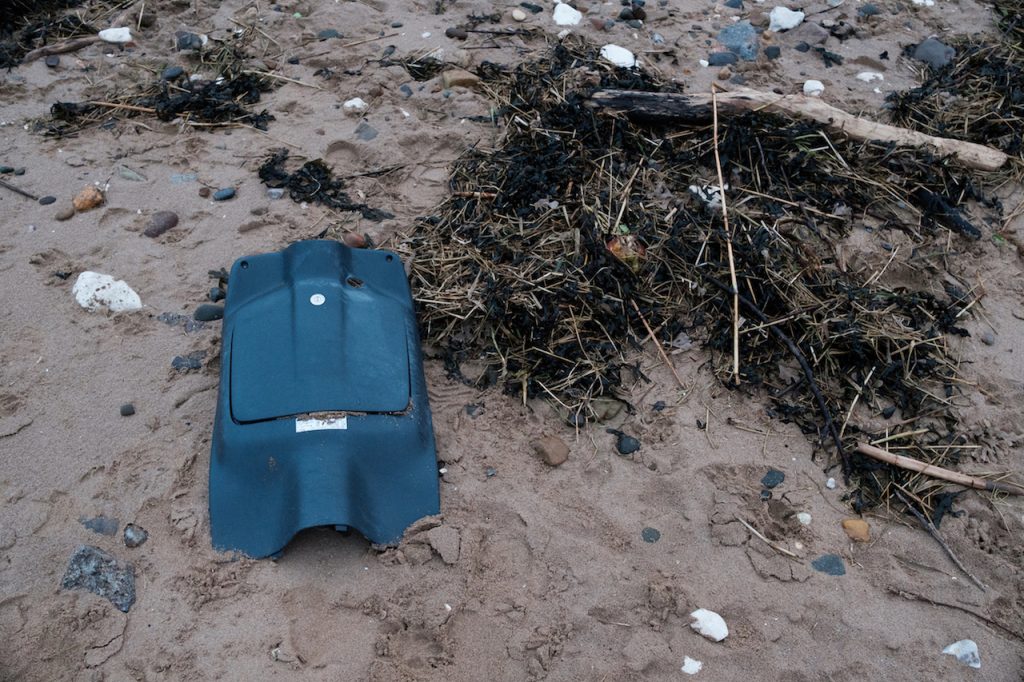
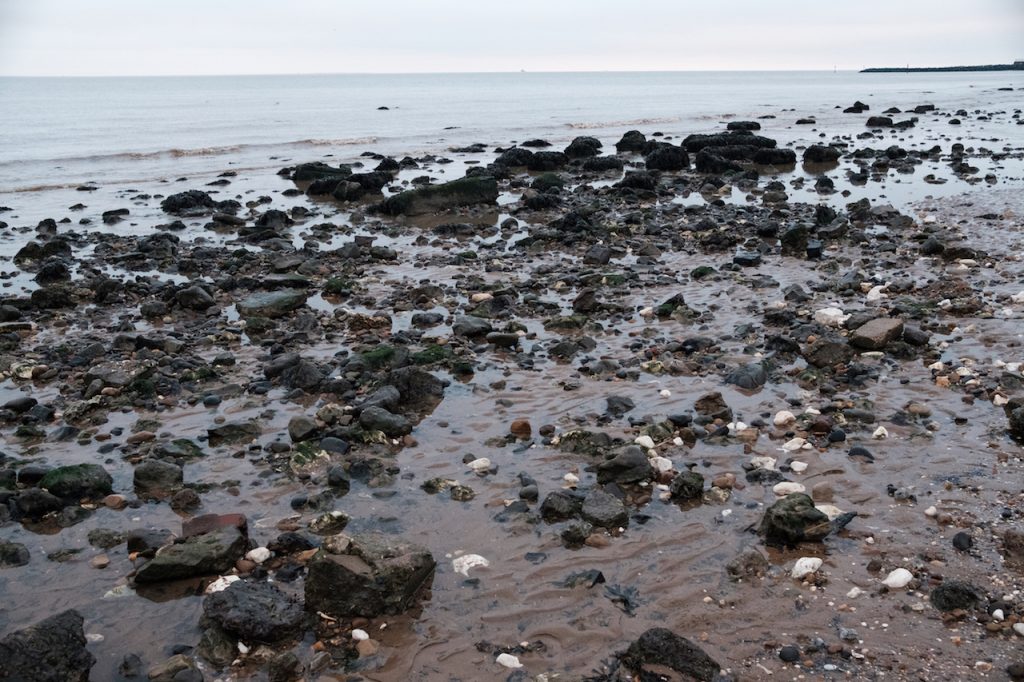
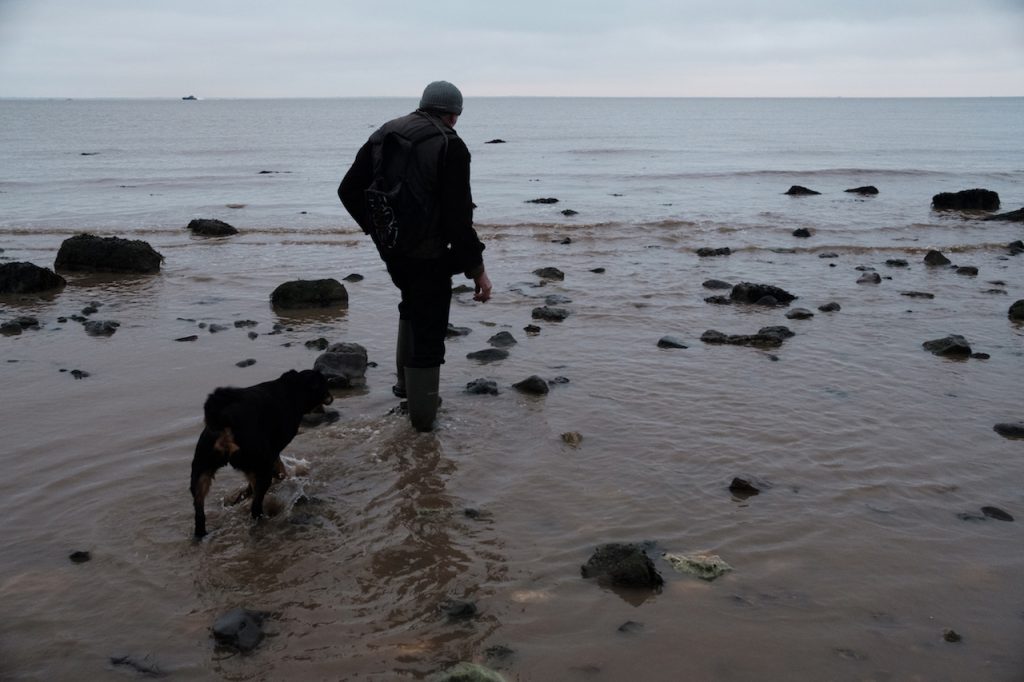
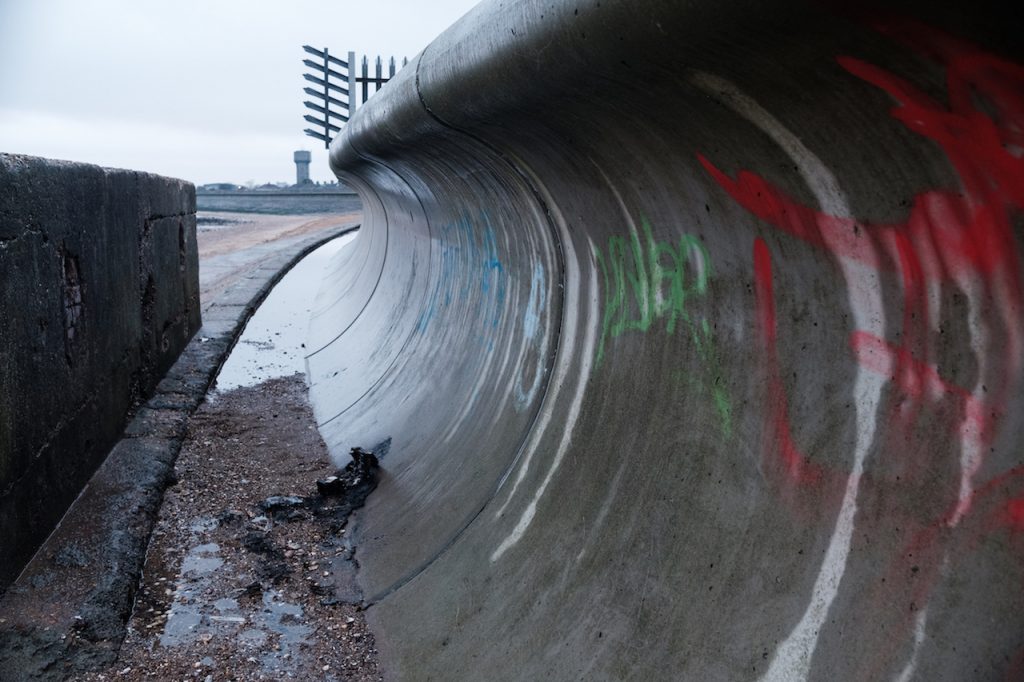
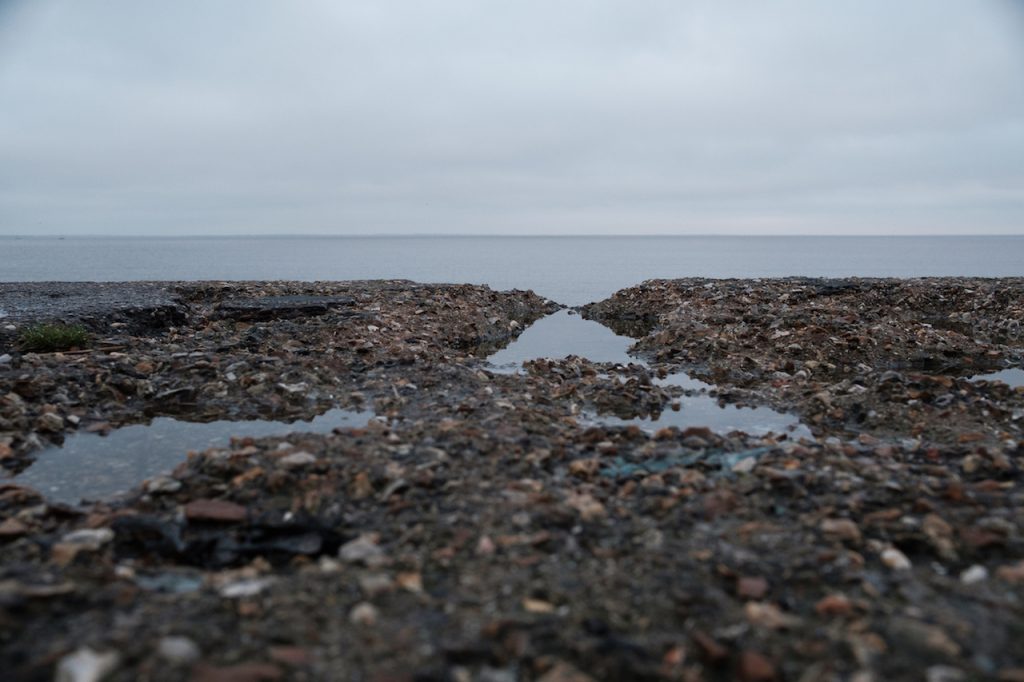
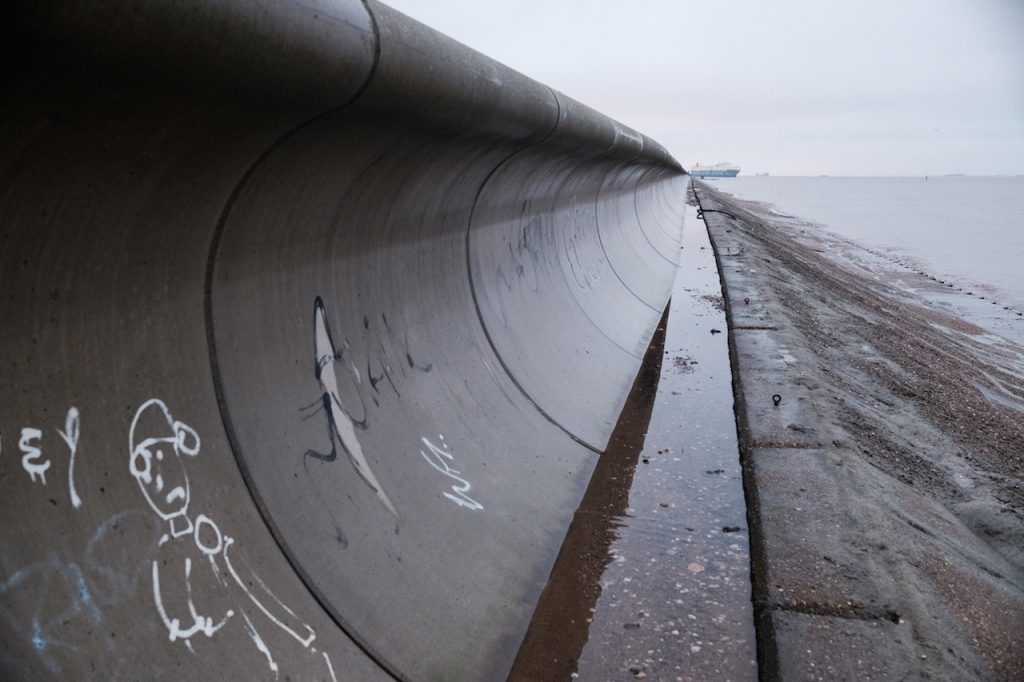
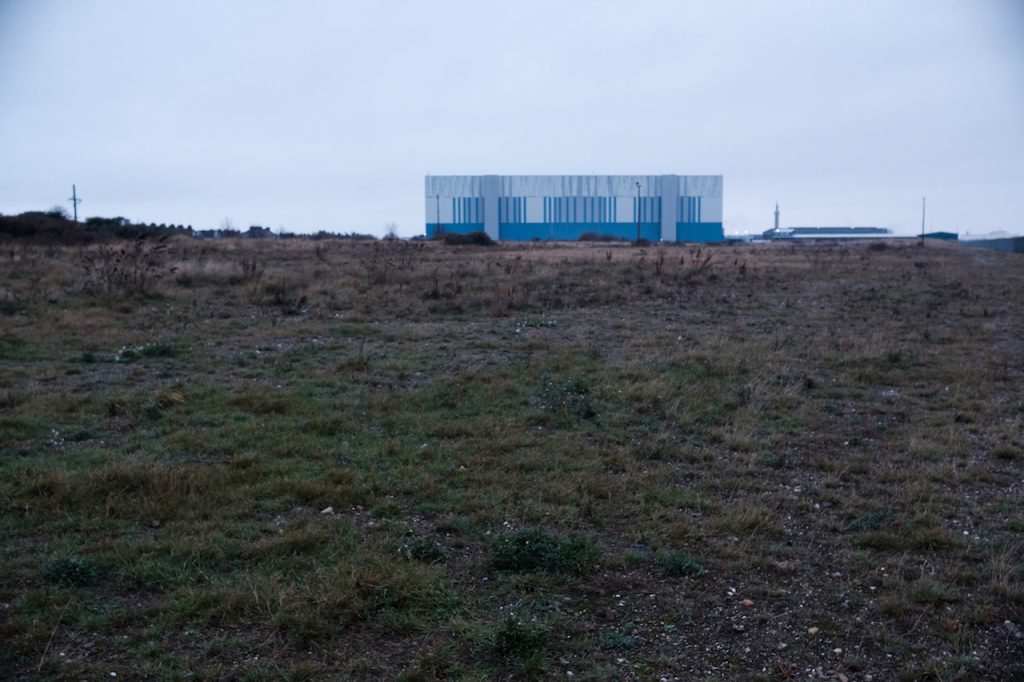
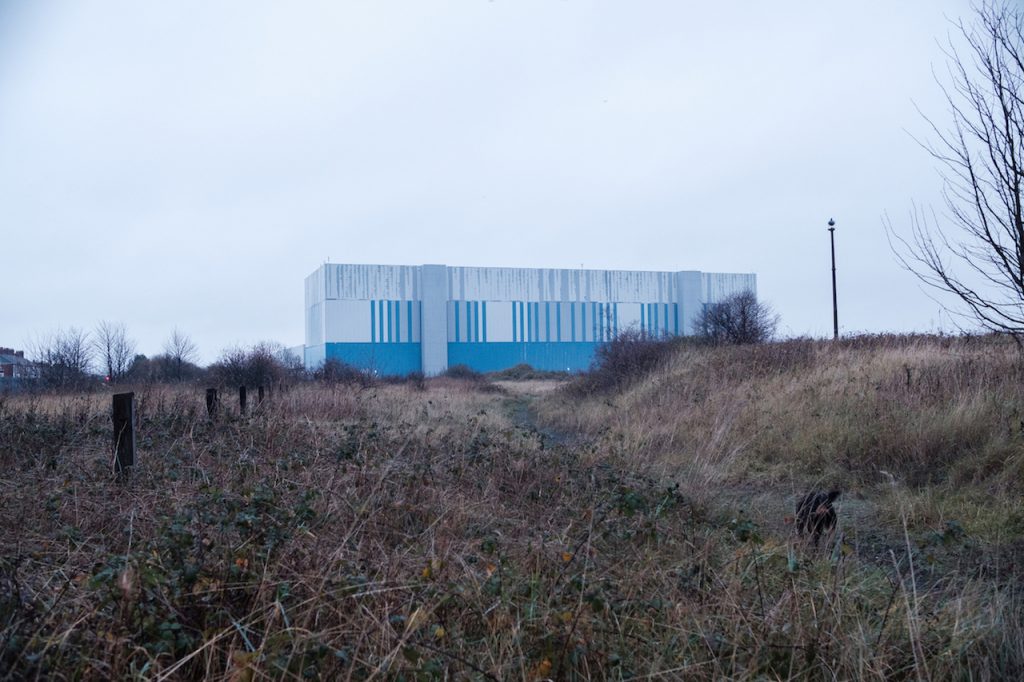
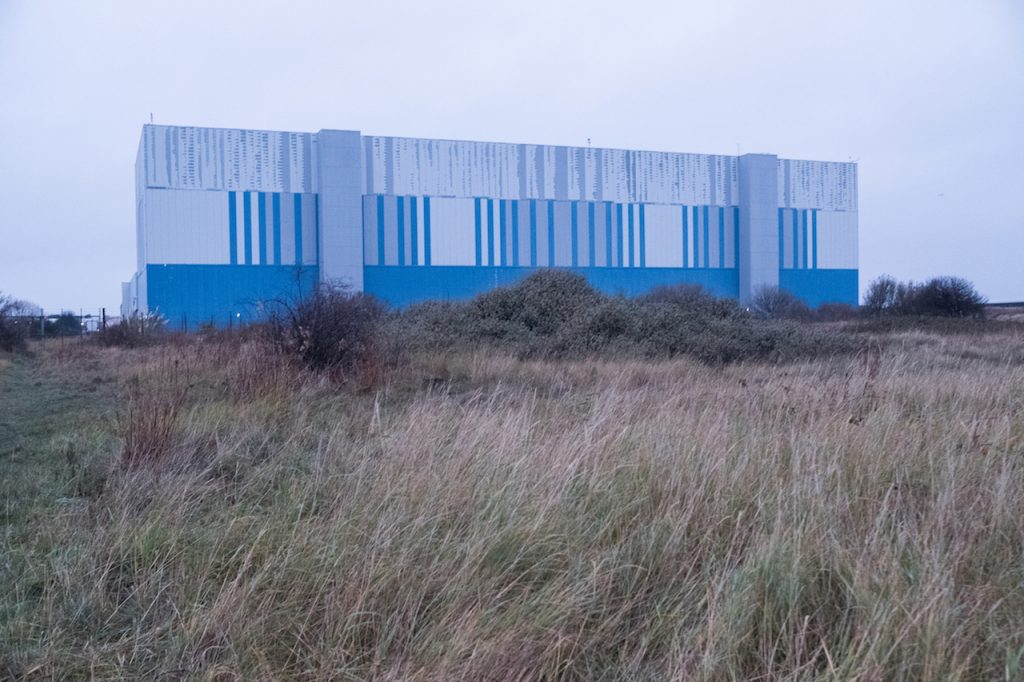
As a boy growing up in the English coastal town of Cleethorpes, the area of open land beyond the footbridge that crossed the railway line at the end of Fuller Street was a space for exploration. Beyond the railway sidings, separated from the track by an old chicken wire fence, was an area of uneven green land, the sea defences and, further beyond that, the beach; not the neat, tidy beach presented to the daytrippers who clambered off the trains which pulled into Cleethorpes railway station near the promenade, but a utilitarian beach peppered with rocks and objects that had presumably fallen from the decks of the cargo ships and ferries that entered, and exited, the Humber estuary, before washing ashore. It was the beach of the locals rather than the beach of the tourists or outsiders. People would call it ‘wasteground’ but to us kids, it was a place of possibilities. I would walk our family dog there, or walk with my friends as they walked their pet dogs. My friends and I would take our bicycles and ride up the mounds, freewheeling down the other side. We would play football and other games, pretending that the open land was a battleground and we were soldiers. We would dare each other to climb the dangerous-looking structure that overlooked the railway lines, ascending to a platform via a rusty ladder. I would jump off the sea defences, oblivious in my naïve youth to the danger that was presented by the narrow but steep stepped wall below, made perpetually slick by the presence of wet seaweed. It could be a place of solitude, where one went to find quiet and peace of mind. I was told that my grandmother embarrassed the local ‘flasher’ there by laughing at what he had put on display, and from the wasteground one could see the house in which my father and his family had lived, in Harrington Street, when they moved to Cleethorpes in the 1960s.
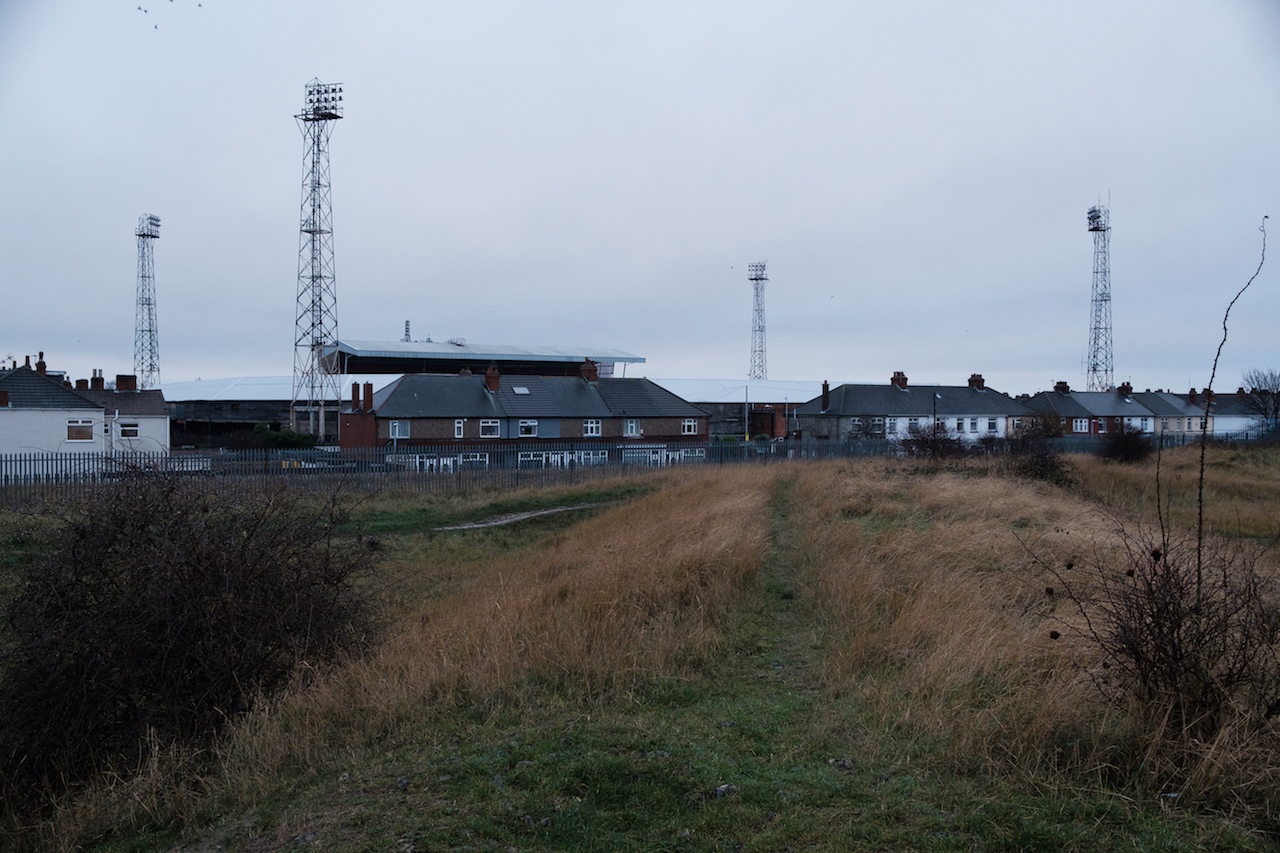
Standing on the wasteground, looking across the railway lines that carried tourists to their seaside destination, the stadium lights belonging to the home of Grimsby Town Football Club rose above the dilapidated late Victorian terraced houses where some of my friends lived. For some of these boys, the possibility of a career as a professional footballer with GTFC was their dream escape from the reality of a proletarian existence, an alternative to the downtrodden wage-slavery that was, for most of us, our most likely future; that is, for those of us who made it into adulthood and found our lives not blighted – or destroyed – by the dark and hidden realities of our childish lives within the English working class. One schoolmate of mine was beaten so badly by his father that the injuries followed him into adulthood and ultimately contributed to his early death before the age of 30; a number of my schoolmates succumbed to the anomie of life in a town that held little future for them, taking solace in the ready availability of heroin in Grimsby and Cleethorpes during the 1980s and 1990s, finding temporary bliss in a drug which ultimately took the lives of a notable number of the boys with whom I went to school. One of my best friends lived an intolerable life at home and an almost equally intolerable life at school, where he was labelled as a bad apple and shouldered the blame for everything that could be thrown his way by the teachers. He went on to serve his country during the Second Gulf War, returning with PTSD that no doubt contributed to several run-ins with the police, before finding some comfort in writing poetry.
As an adolescent, I would often walk on this ground with girls who would become friends or lovers. I vividly remember during the spring of one year, parts of the sea wall were covered with ladybirds that moved en masse, giving the impression of a carpet of red and black.
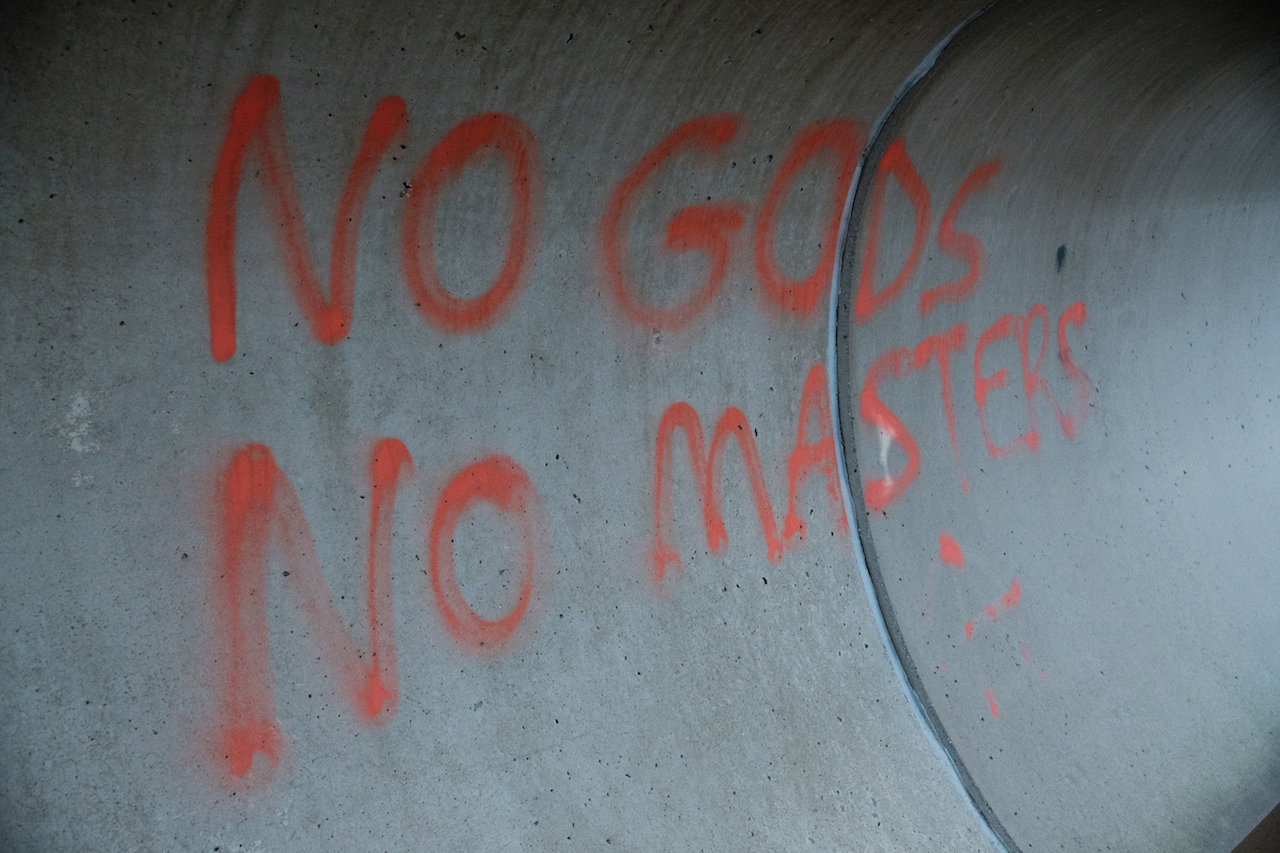
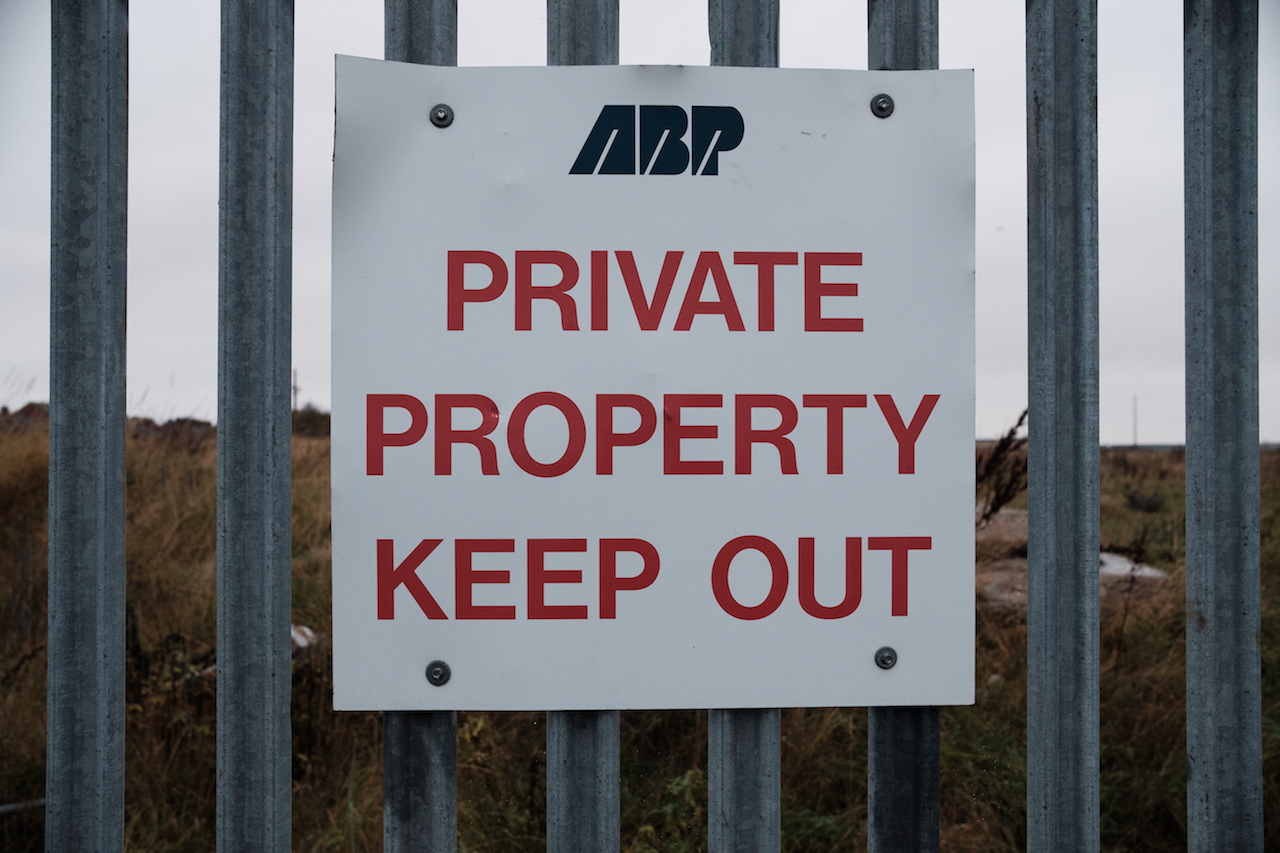
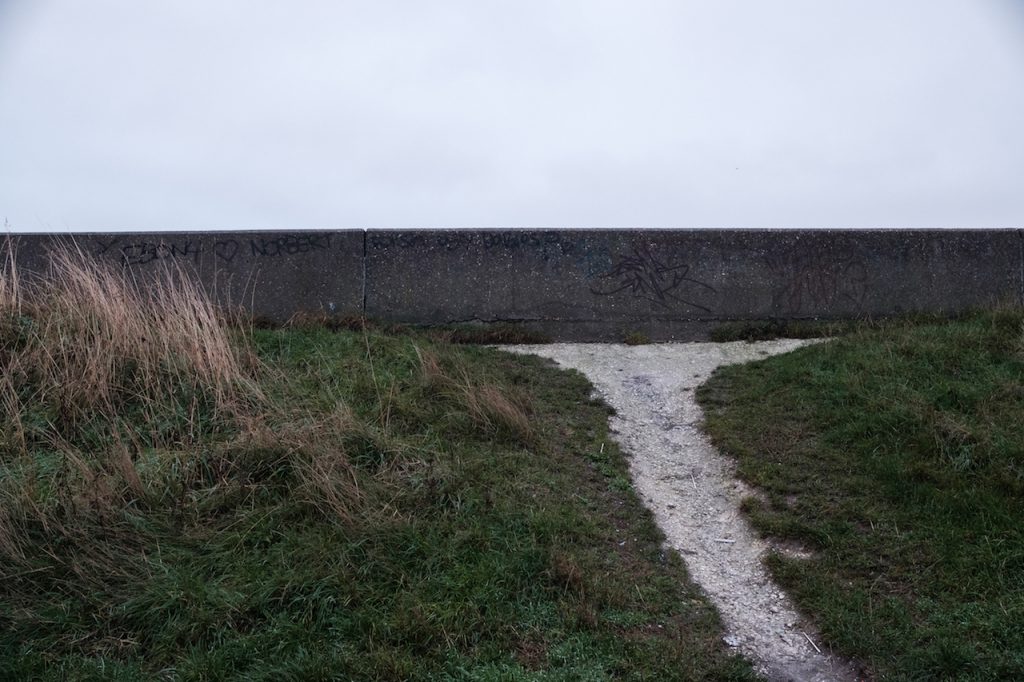
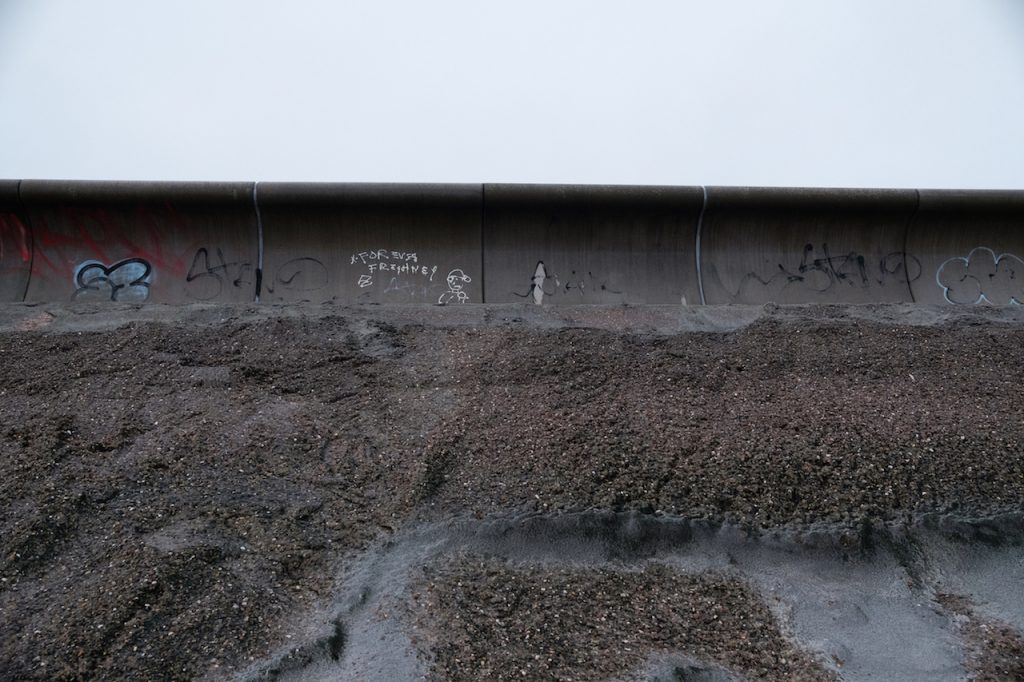
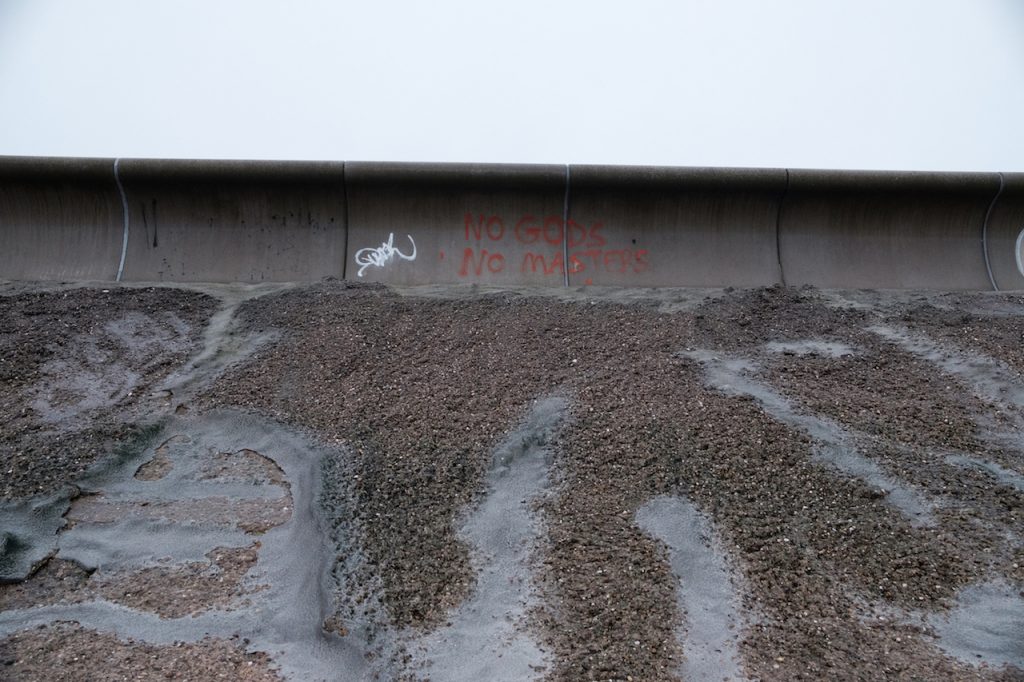
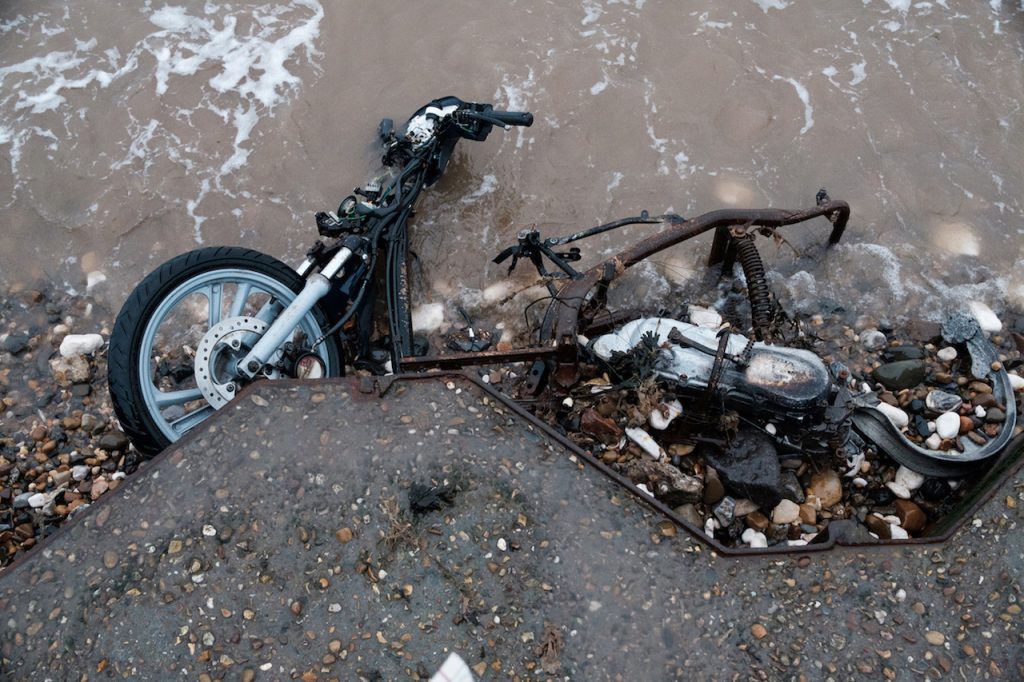
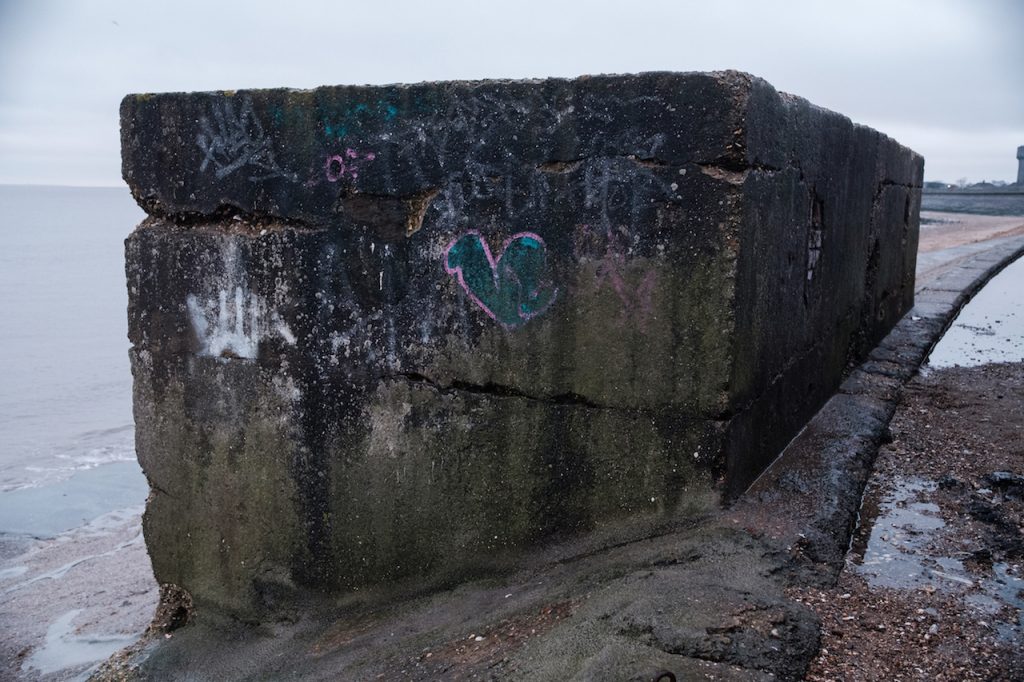
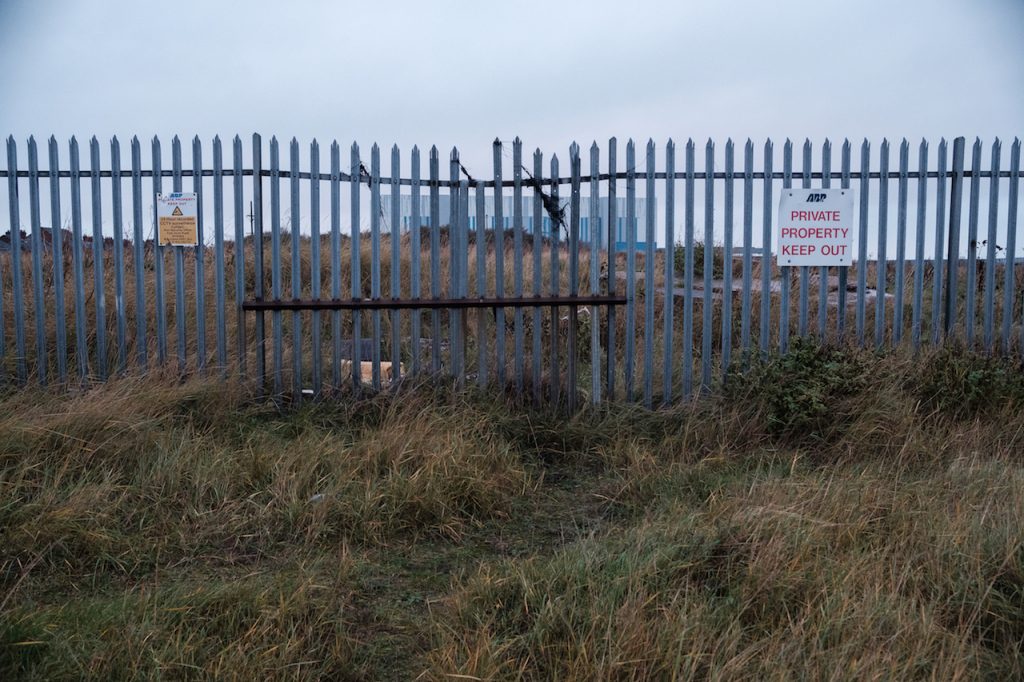
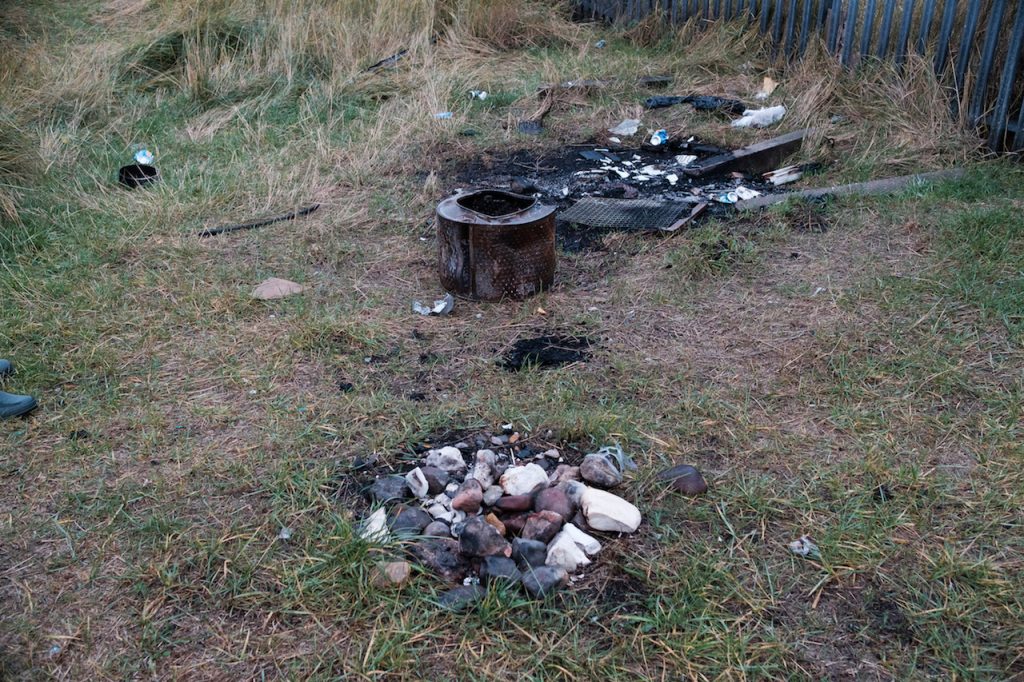
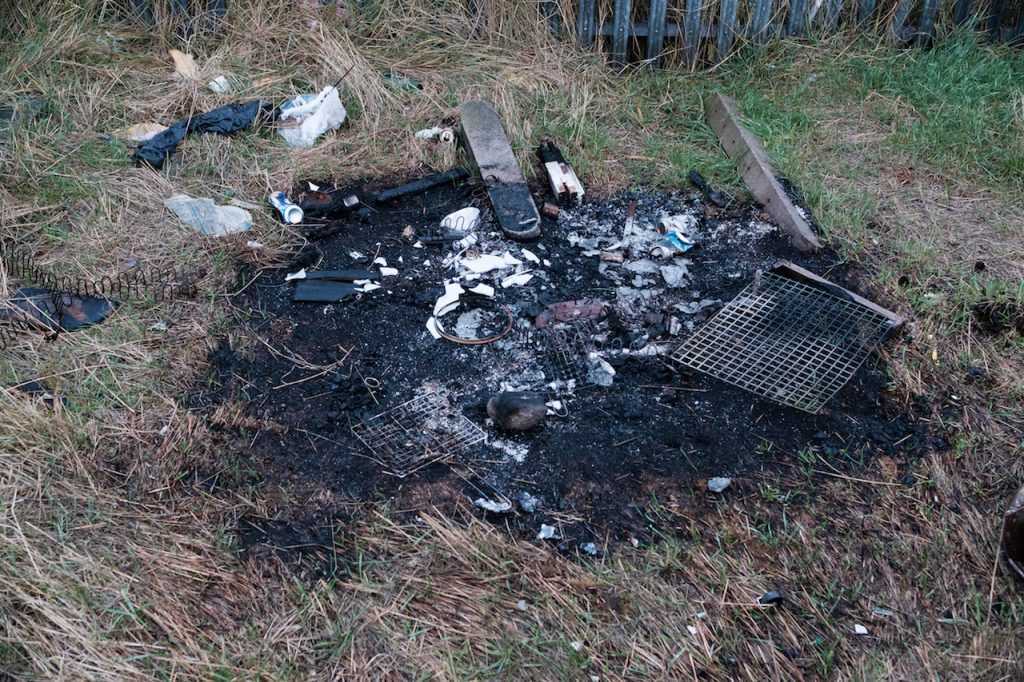
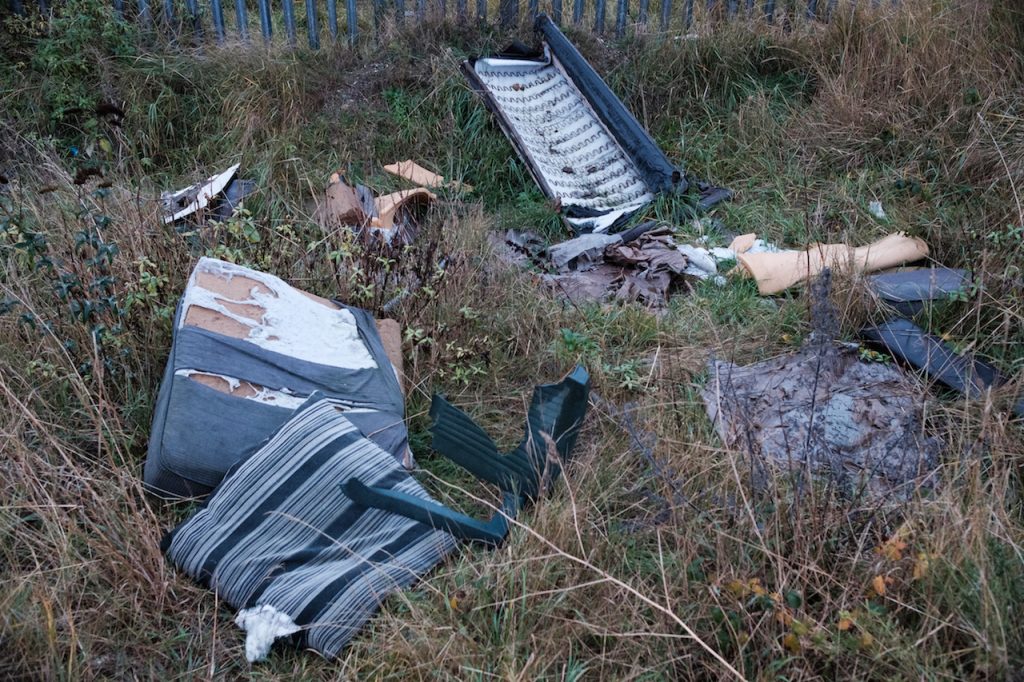
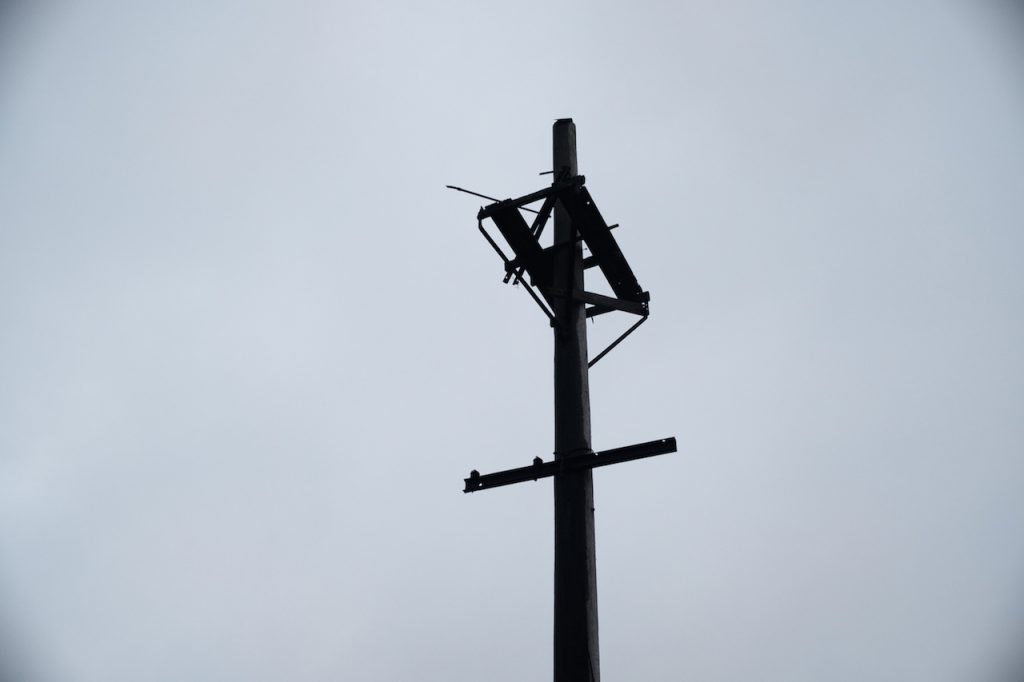
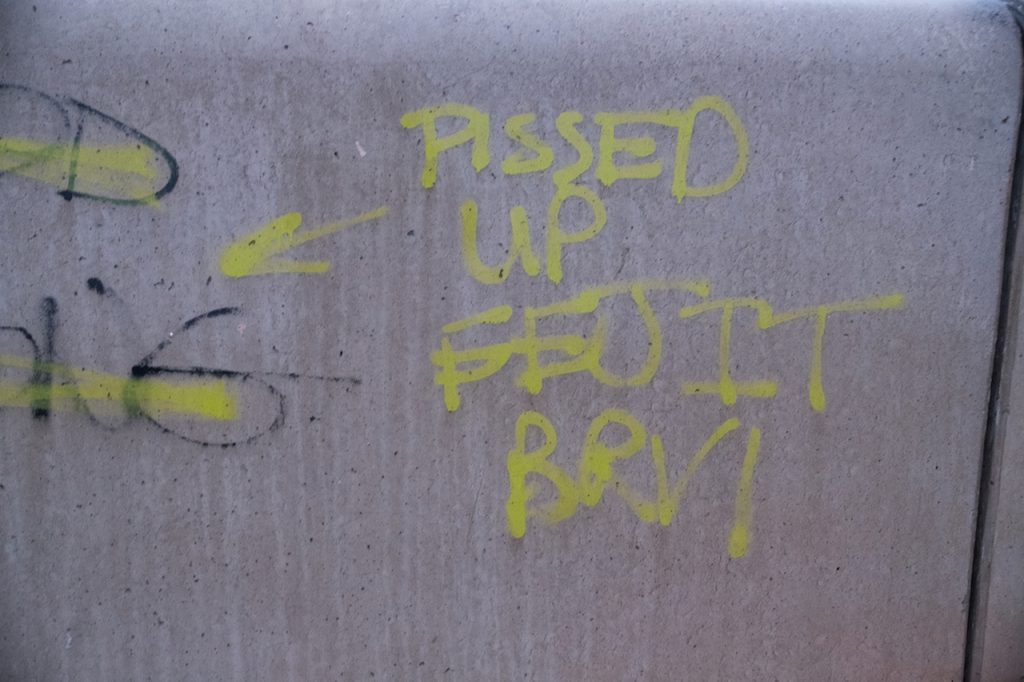
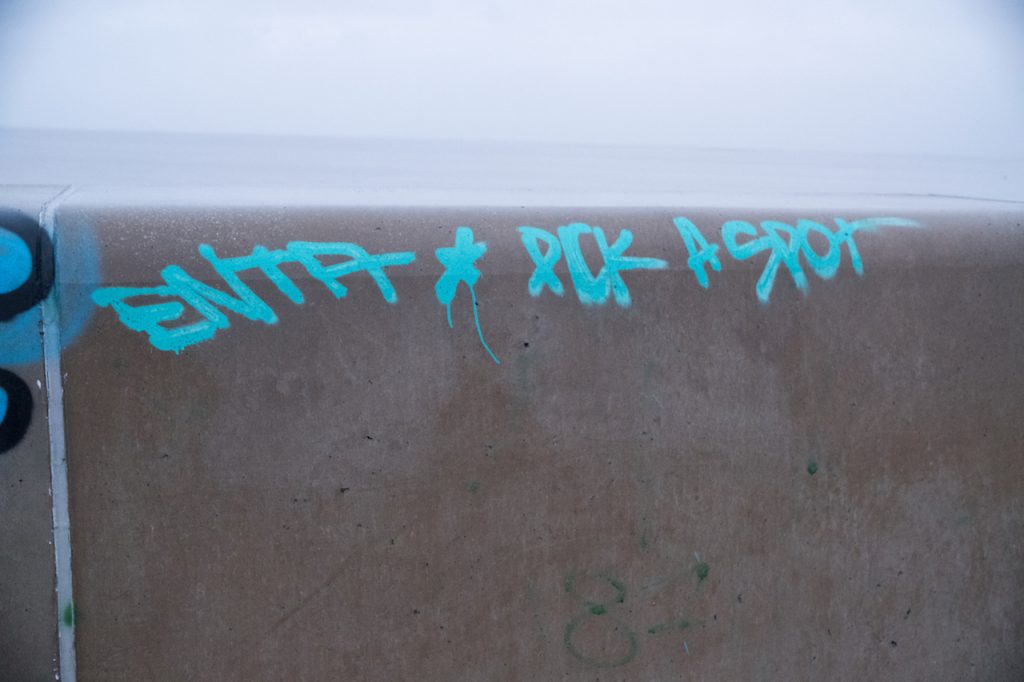
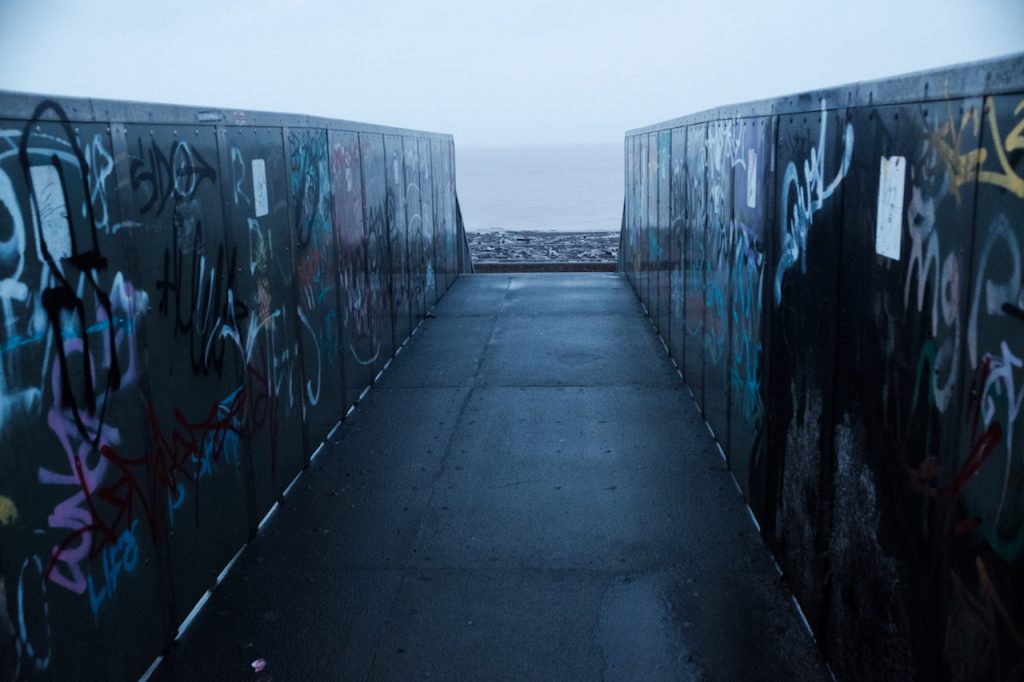
At some point in my young adulthood, in 1996 or 1997, most of the wasteground was fenced off by Associated British Ports, who claimed ownership of the land, earmarking it for development and restricted access to it, blocking a number of public rights of way – though to this day, many locals contest ABP’s claim and continue to find ways to access this plot. ABP wish to ‘develop’ the land, which as local residents have asserted, would be harmful to the species of wildlife – some of it endangered – that one can encounter there. I have seen deer on this land; gulls, sandpipers and robins can be found there at various points in the year. Now, whether it is due to change or simply evolution of my own temperament, the area seems quiet and bleak. Graffiti adorns the seawall, some of it meaningful, some of it artistic, and some of it utterly redundant. Shopping trolleys stolen from local supermarkets are abandoned there, as are television sets, mattresses and unwanted items of furniture. Fires have been started, small encampments of homeless people dot the landscape as in a Hollywood film about inner city Detroit or a camp filled with refugees from the future. The promise has gone; the potential ebbed away. Or was it always such?
—
Cookie Consent
We use cookies to improve your experience on our site. By using our site, you consent to cookies.
Used to monitor number of Google Analytics server requests when using Google Tag Manager
1 minute
_gali
Used by Google Analytics to determine which links on a page are being clicked
30 seconds
_ga_
ID used to identify users
2 years
_gid
ID used to identify users for 24 hours after last activity
24 hours
__utmx
Used to determine whether a user is included in an A / B or Multivariate test.
18 months
_ga
ID used to identify users
2 years
__utmz
Contains information about the traffic source or campaign that directed user to the website. The cookie is set when the GA.js javascript is loaded and updated when data is sent to the Google Anaytics server
6 months after last activity
__utmc
Used only with old Urchin versions of Google Analytics and not with GA.js. Was used to distinguish between new sessions and visits at the end of a session.
End of session (browser)
__utmb
Used to distinguish new sessions and visits. This cookie is set when the GA.js javascript library is loaded and there is no existing __utmb cookie. The cookie is updated every time data is sent to the Google Analytics server.
30 minutes after last activity
__utmt
Used to monitor number of Google Analytics server requests
10 minutes
__utma
ID used to identify users and sessions
2 years after last activity
__utmv
Contains custom information set by the web developer via the _setCustomVar method in Google Analytics. This cookie is updated every time new data is sent to the Google Analytics server.
2 years after last activity
_gac_
Contains information related to marketing campaigns of the user. These are shared with Google AdWords / Google Ads when the Google Ads and Google Analytics accounts are linked together.
90 days
Marketing cookies are used to follow visitors to websites. The intention is to show ads that are relevant and engaging to the individual user.
X Pixel enables businesses to track user interactions and optimize ad performance on the X platform effectively.
Unique value with which users can be identified by X. Collected information is used to be personalize X services, including X trends, stories, ads and suggestions.
2 years
external_referer
Our Website uses X buttons to allow our visitors to follow our promotional X feeds, and sometimes embed feeds on our Website.
2 years
guest_id
This cookie is set by X to identify and track the website visitor. Registers if a users is signed in the X platform and collects information about ad preferences.
2 years
A video-sharing platform for users to upload, view, and share videos across various genres and topics.
Used to detect if the visitor has accepted the marketing category in the cookie banner. This cookie is necessary for GDPR-compliance of the website.
179 days
LOGIN_INFO
This cookie is used to play YouTube videos embedded on the website.
2 years
VISITOR_PRIVACY_METADATA
Youtube visitor privacy metadata cookie
180 days
GPS
Registers a unique ID on mobile devices to enable tracking based on geographical GPS location.
1 day
VISITOR_INFO1_LIVE
Tries to estimate the users' bandwidth on pages with integrated YouTube videos. Also used for marketing
179 days
PREF
This cookie stores your preferences and other information, in particular preferred language, how many search results you wish to be shown on your page, and whether or not you wish to have Google’s SafeSearch filter turned on.
10 years from set/ update
YSC
Registers a unique ID to keep statistics of what videos from YouTube the user has seen.